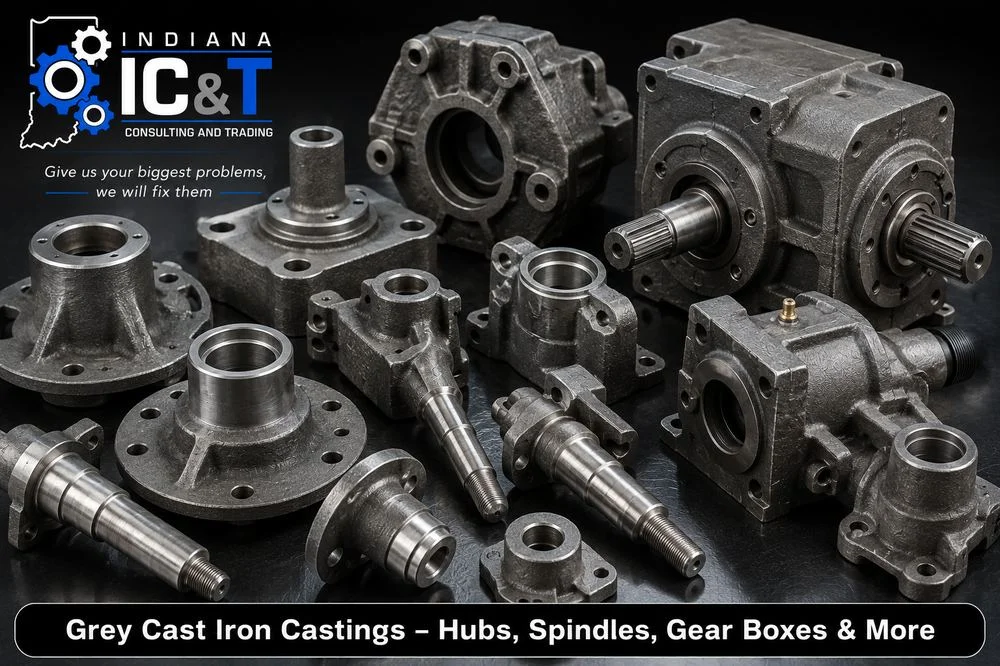
The full part-type library from MTD Manufacturing’s capabilities gathered in one place for quick reference. Every part type listed is APQP/PPAP capable and quality-managed by the same team across 32 countries.

Castings, machined parts, fasteners, gears, injection molded plastics, and assemblies – sourced, quoted, and quality-managed by the same team.
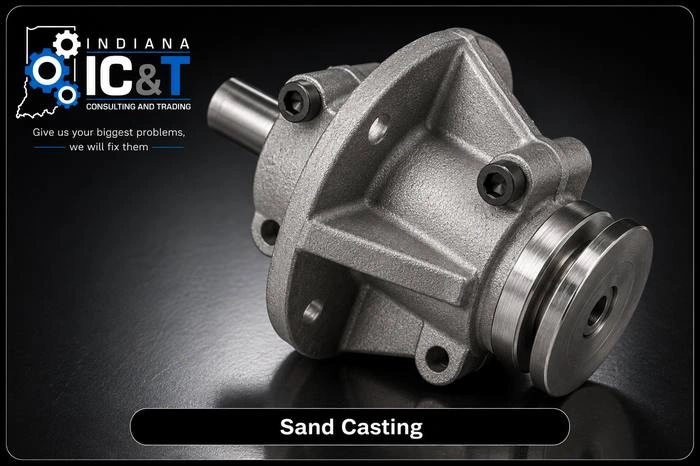
Traditional sand-mold casting for mid-to-large iron and aluminum components.
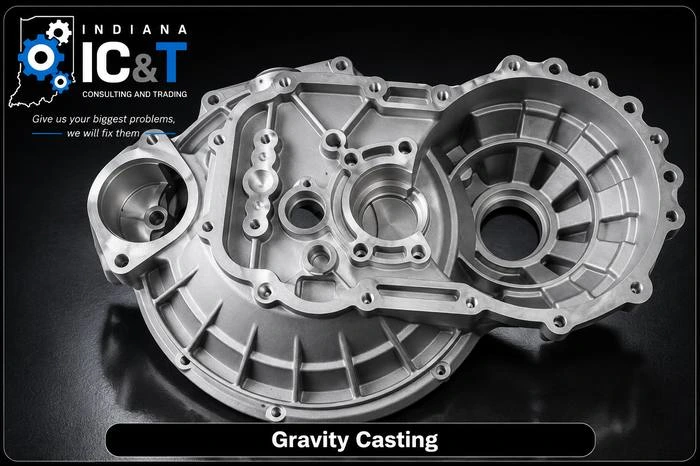
Gravity-fed permanent mold casting for dimensionally precise aluminum housings.
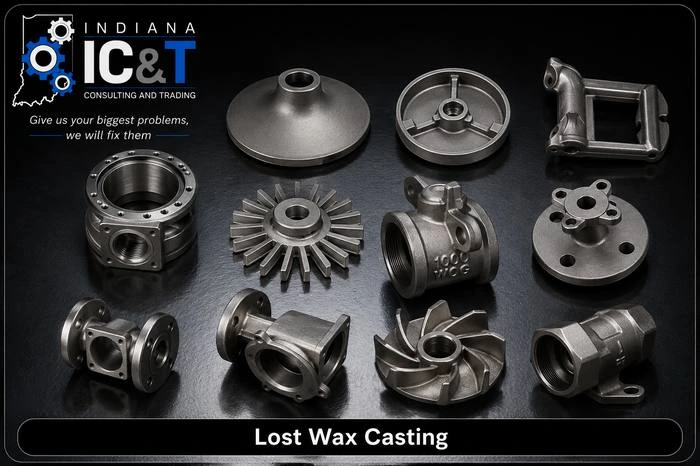
Investment casting for complex geometries and fine surface detail.
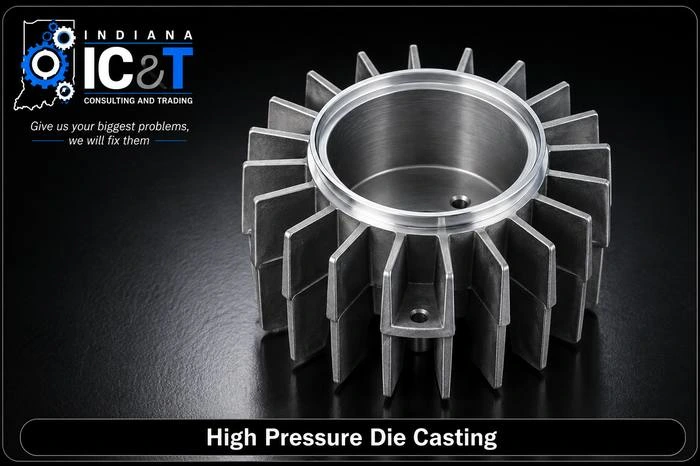
High-volume die casting for tight-tolerance, thin-wall parts.
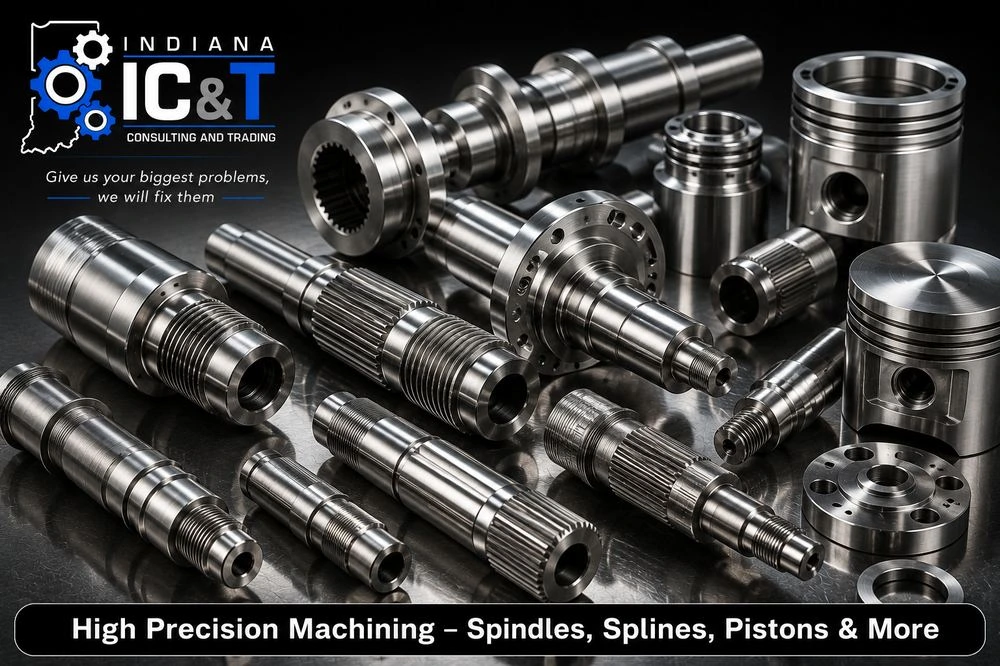
CNC turning, milling, multi-axis machining to print, with CMM inspection.
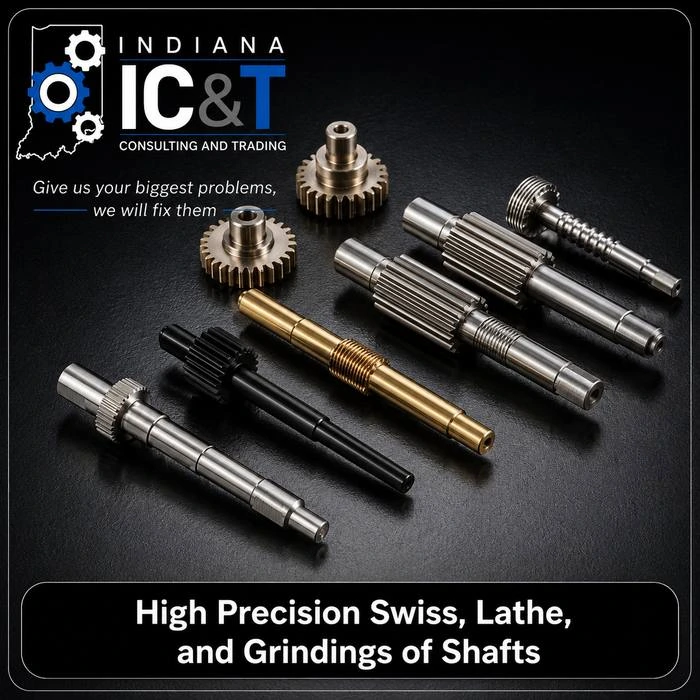
High precision Swiss turning, lathe work, and shaft grinding to tight diameter tolerances.
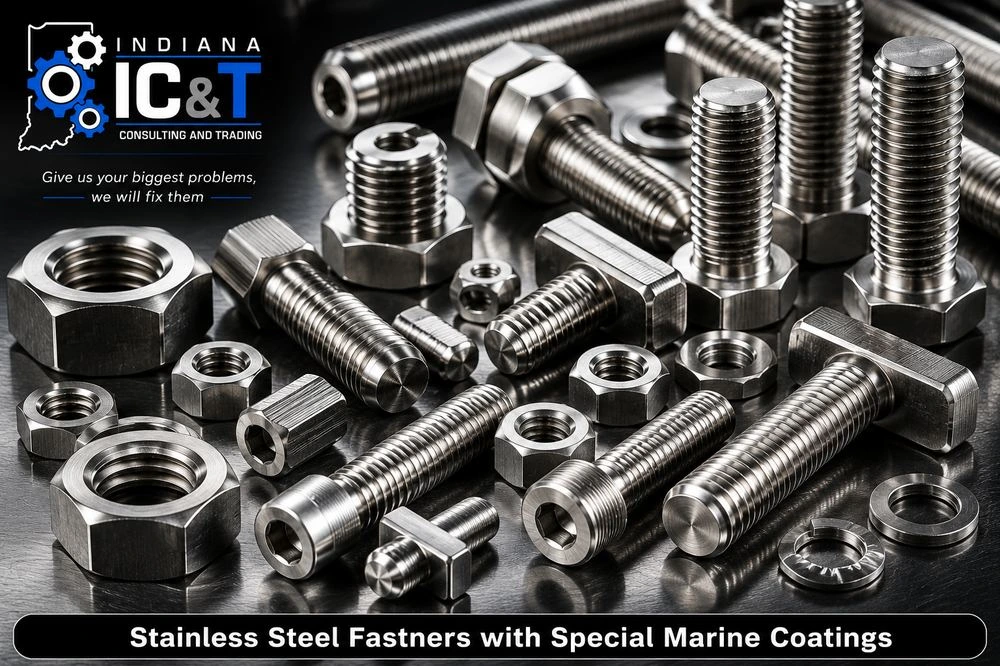
Standard and custom fasteners, VMI-managed for line-side replenishment.
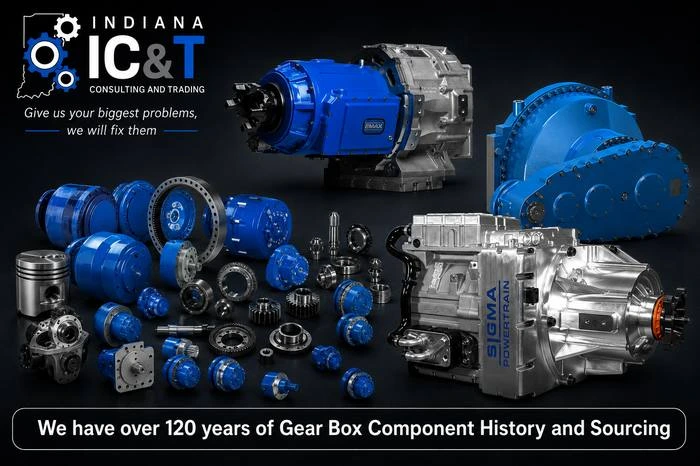
Spur, helical, bevel gearing and complete gearbox/powertrain assemblies, sourced to AGMA tolerance classes.
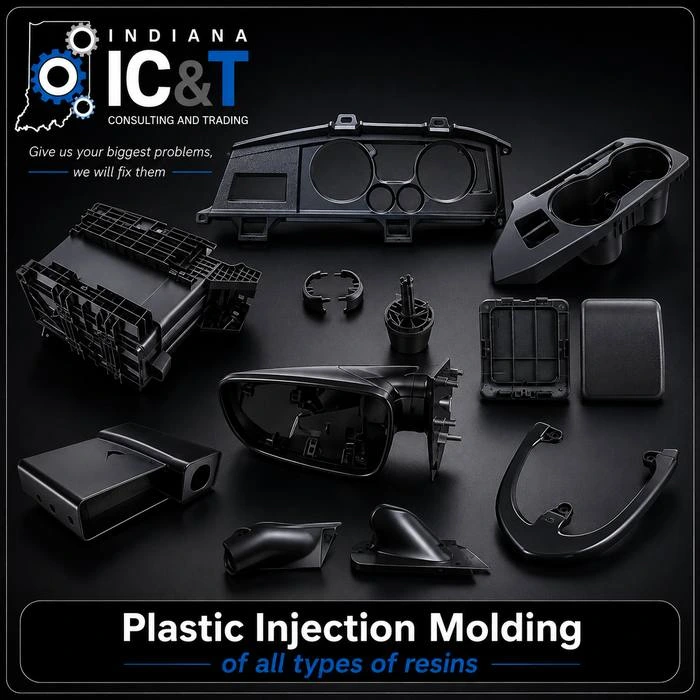
Tooling and production sourcing for engineered resins, sample to validated production.
A few more places our sourcing and manufacturing base shows up — automotive hardware, precision defense components, and medical-grade parts.
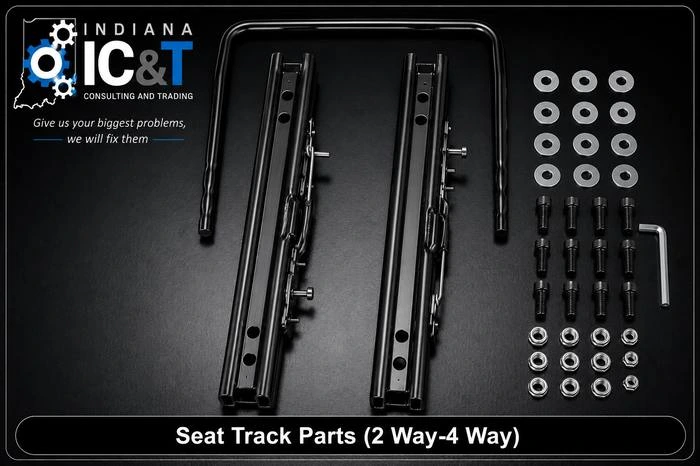
Rail, hardware, and fastener kits for 2-way and 4-way automotive seat track assemblies.
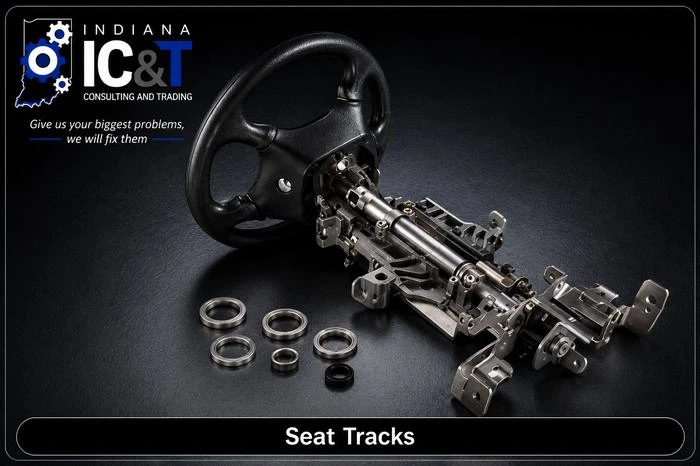
Fully assembled seat track and steering column components, ready for install.
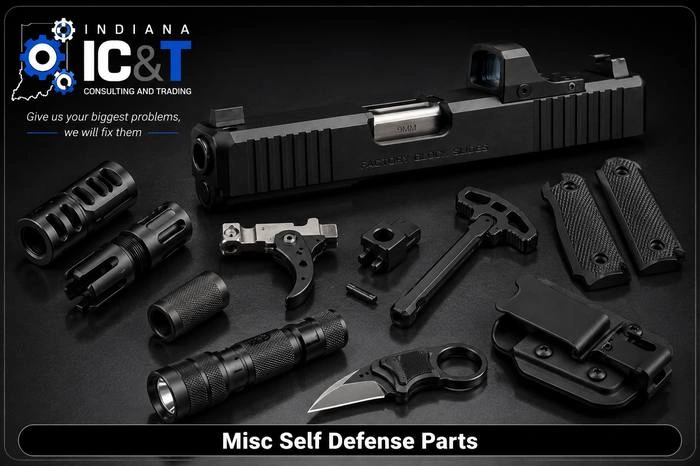
Machined firearm components alongside self-defense hardware — slides, triggers, grips, and EDC parts.
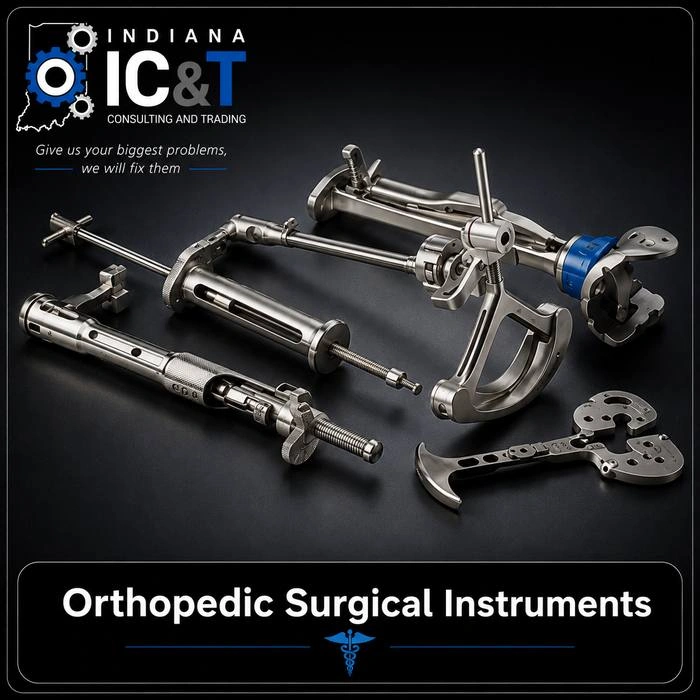
Precision surgical instrumentation for orthopedic procedures, machined to tight tolerance.
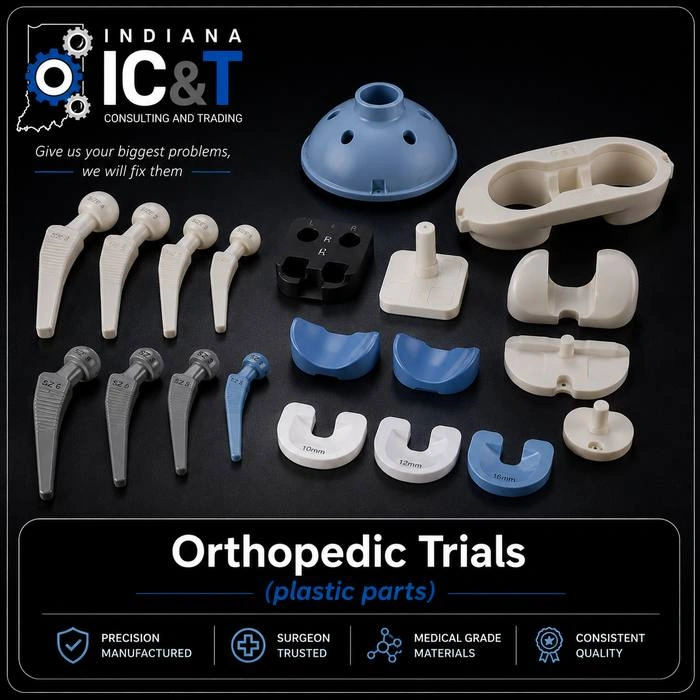
Sized trial components in medical-grade plastics, surgeon-trusted and consistently manufactured.
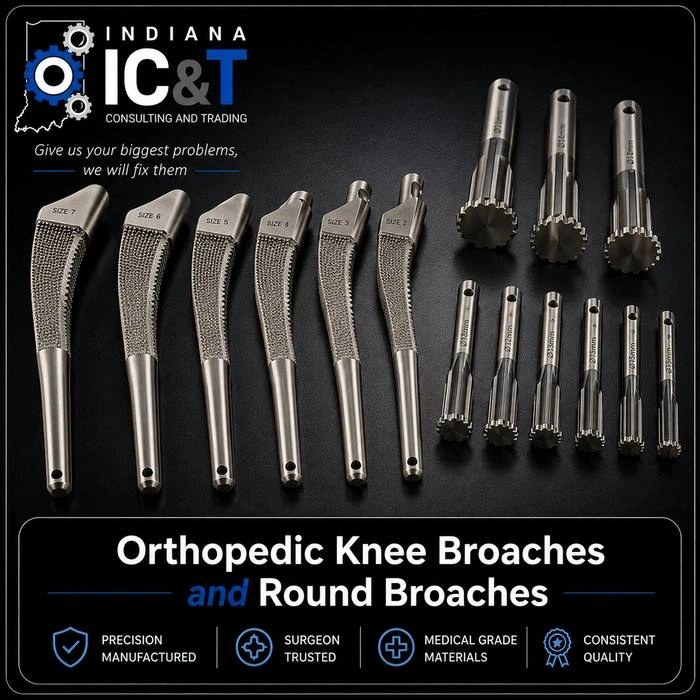
Precision-manufactured knee and round broaches to medical-grade specification.
MTD Manufacturing’s India network is built around metals: castings, forgings, and machined metal components, with in-country oversight from RFQ through shipment from our Pune office. This is where a large share of our castings and machined-parts sourcing runs.
Figures above are directional placeholders — confirm against current sourcing/econ data before publishing.
MTD Manufacturing manages APQP/PPAP documentation for offshore suppliers across all part types. The specific deliverables vary by process and program requirements, here is what comes standard versus what is added for specialized programs.
Sand casting uses a sand mold that is broken after each pour – best for large, complex-geometry iron and aluminum parts at low-to-mid volumes (CT8–CT10 tolerance, ±0.030″–0.060″). Investment (lost wax) casting uses a wax pattern encased in ceramic – best for complex geometries needing fine surface detail and tighter tolerances (CT4–CT6, ±0.005″–0.015″), common in medical, aerospace, and defense. High-pressure die casting (HPDC) forces molten metal into a steel die under pressure best for high-volume thin-wall aluminum and zinc parts (CT5–CT7, ±0.003″–0.010″), common in automotive OEM programs.
Use CNC machining when: tolerances are tighter than casting can achieve (±0.001″–0.005″ range), volume is too low to amortize casting tooling, geometry is simple enough to machine efficiently from bar or billet, or the part needs material properties better achieved in wrought form than cast. Use casting when: the part has complex internal geometry, volume is high enough to amortize tooling, and near-net shape saves machining cost. For most programs, the right answer is cast-plus-machine: MTD Manufacturing structures integrated programs where casting and machining are managed by a single supplier.
MTD Manufacturing sources spur, helical, bevel, and worm gears to AGMA tolerance classes 5 through 12, depending on application speed, load, and noise requirements. Class 5–7 covers general industrial applications; Class 9–12 covers precision aerospace and high-speed gearing. Heat treatment (carburizing, through-hardening, induction hardening) and surface finish (ground vs. hobbed vs. shaved) are verified at the supplier.
Medical and orthopedic programs from MTD Manufacturing include: serialized lot traceability (raw material heat to finished part), ISO 13485-aligned quality management system verification at the supplier, 100% CMM inspection on critical features, material certifications for medical-grade materials (316L stainless steel, Ti-6Al-4V, UHMWPE, PEEK), and biocompatibility and sterilization compatibility documentation where specified.
Yes. MTD Manufacturing sources standard and application-specific fasteners and hardware under VMI (vendor-managed inventory) programs for line-side replenishment. VMI programs cover replenishment trigger management, consignment inventory options, supplier consolidation for multi-family fastener programs, and finish/coating certification (plating, Parkerizing, anodize) per shipment. Primary sourcing countries are Taiwan (for quality-consistent standard and specialty hardware) and India (for lower-unit-cost VMI programs across standard metric and imperial families).
Send print, volume, and quality requirements. MTD responds within one business day with process recommendation, country of origin, and supplier match.