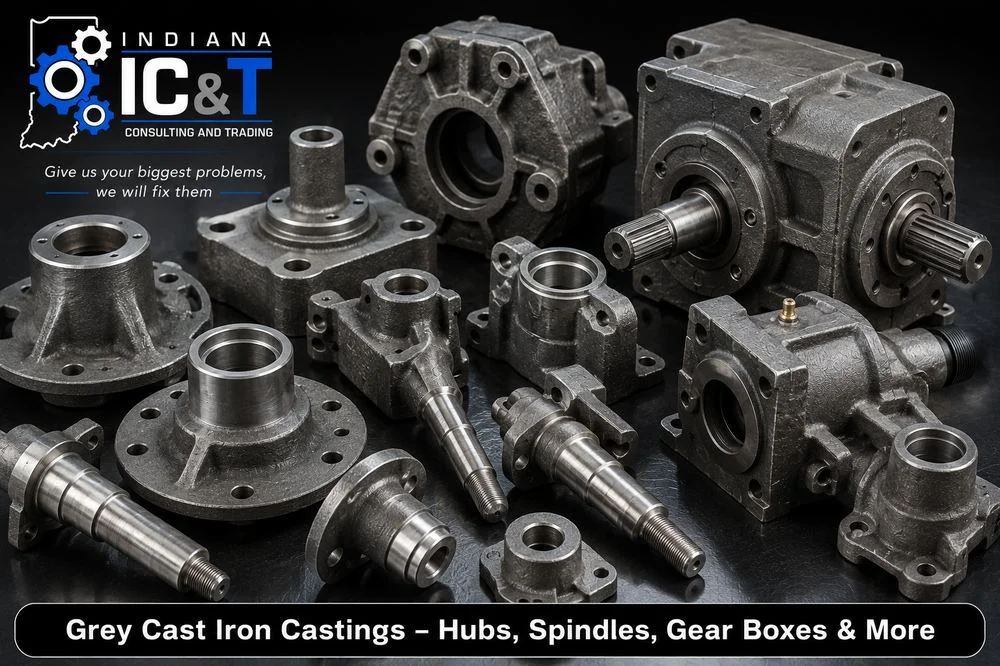
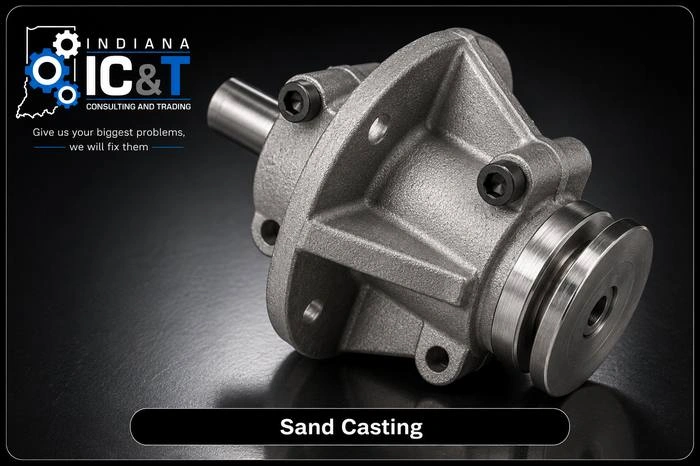
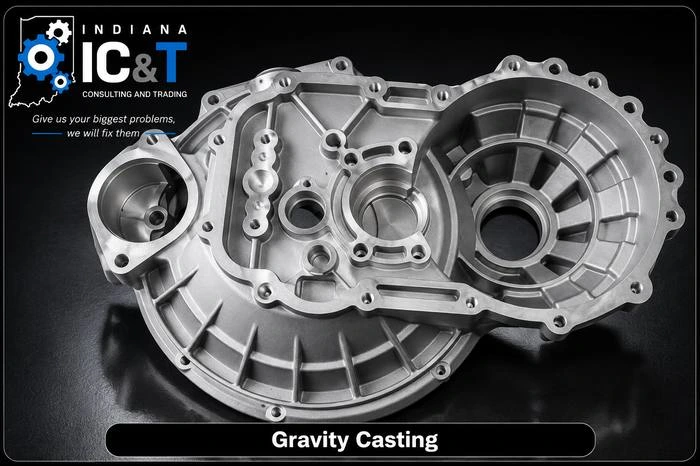
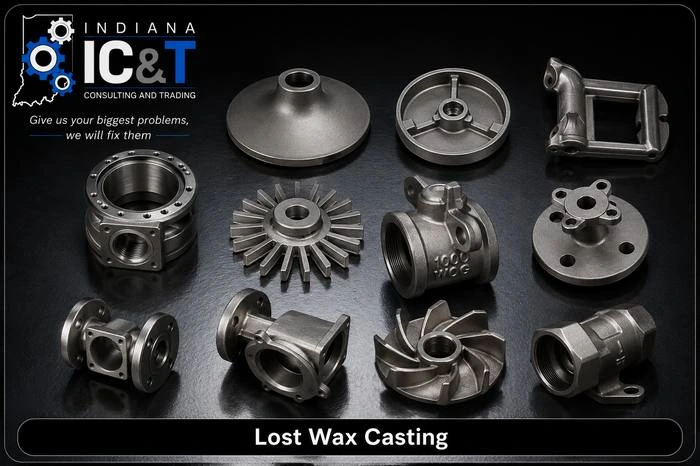
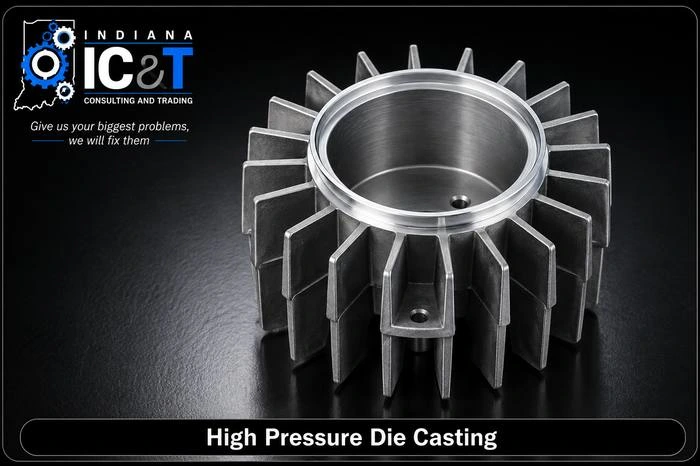
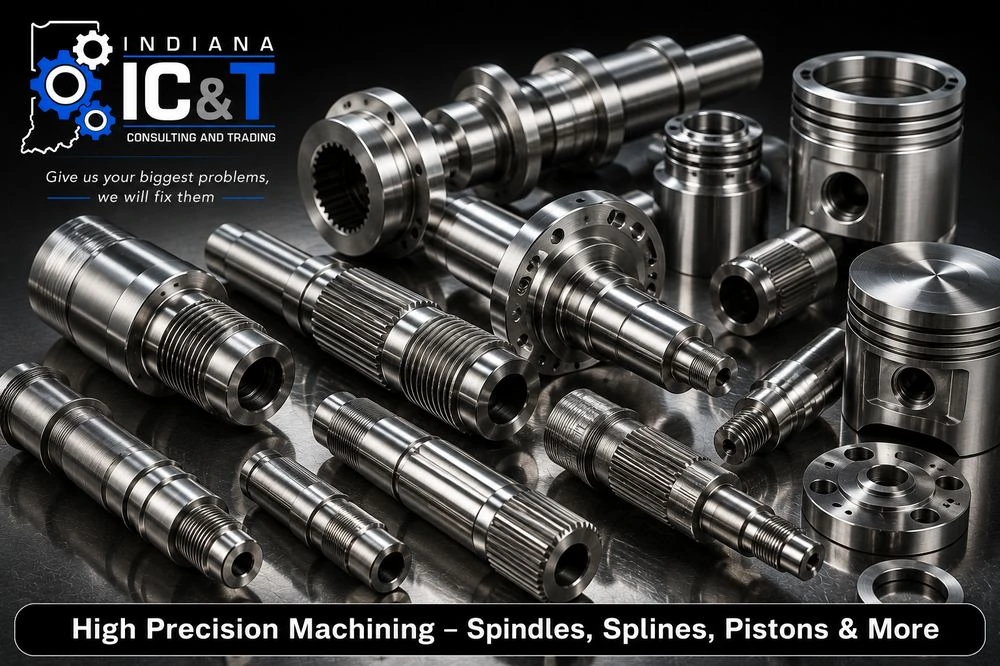
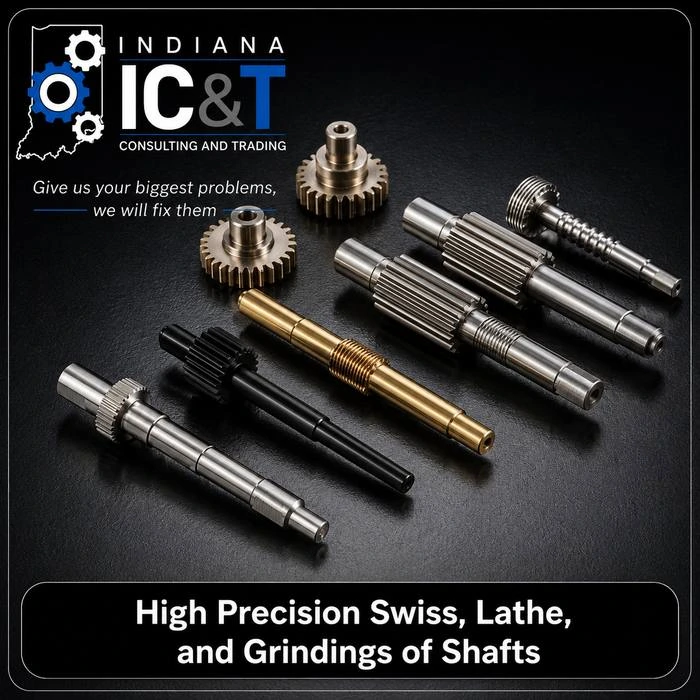
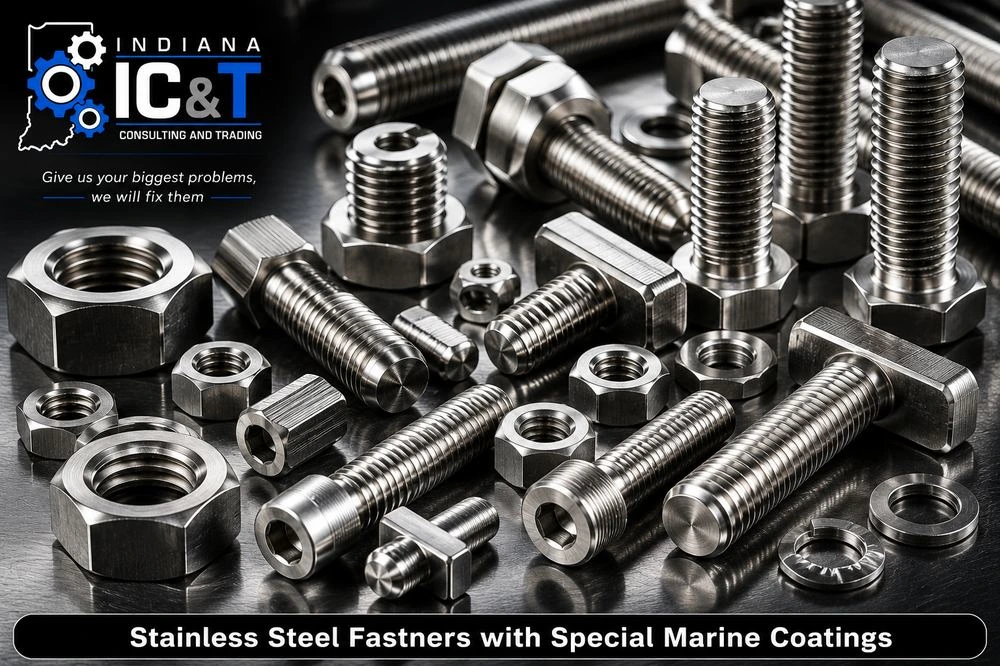
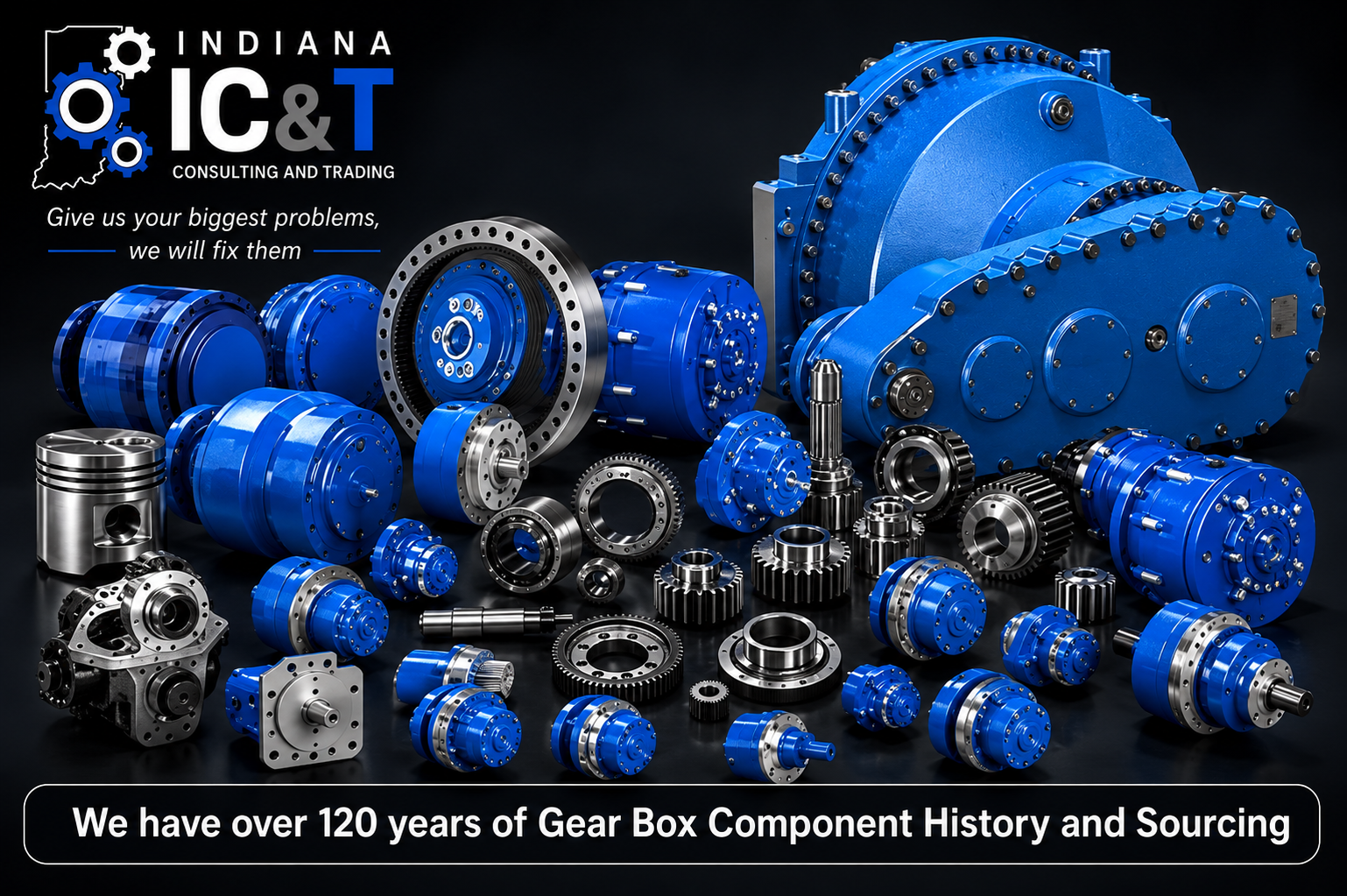
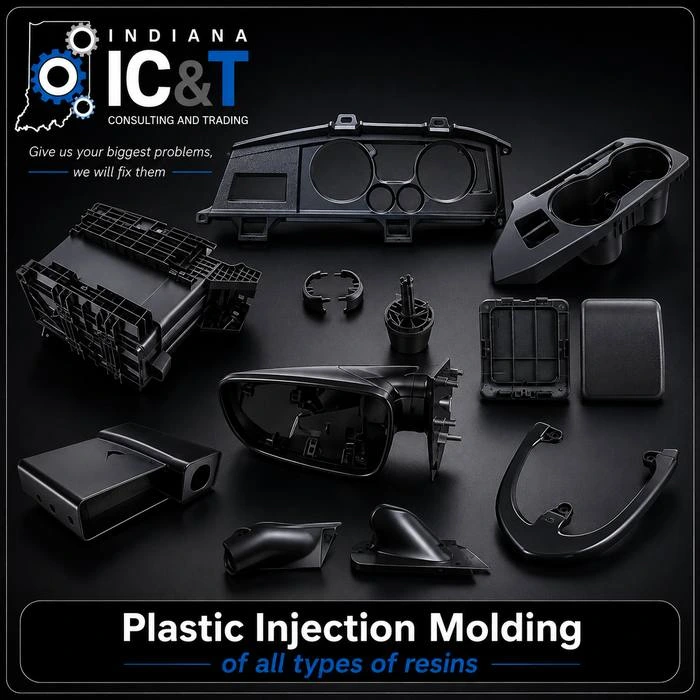
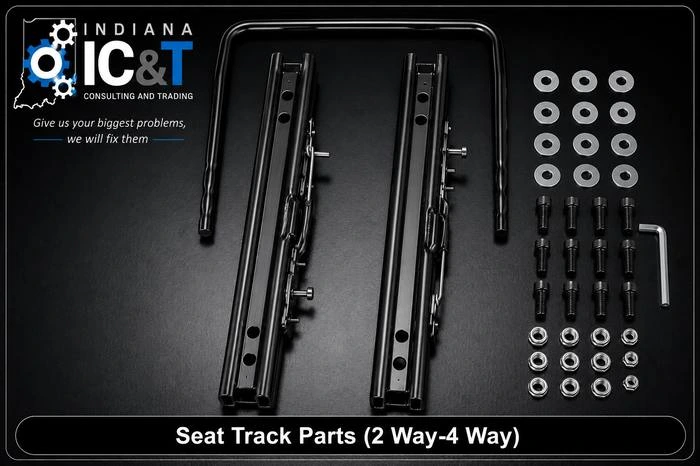
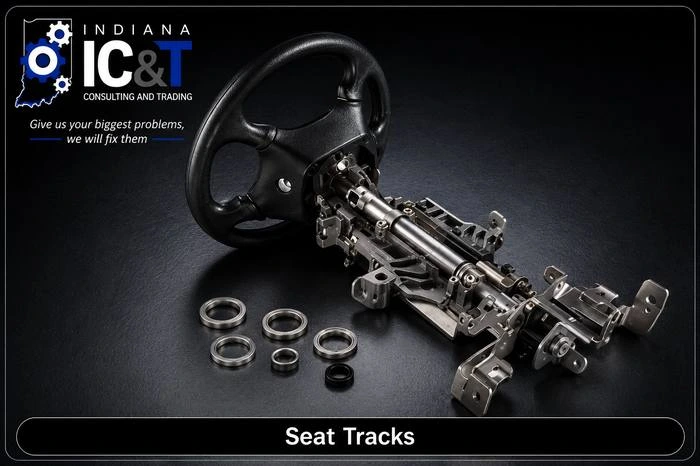
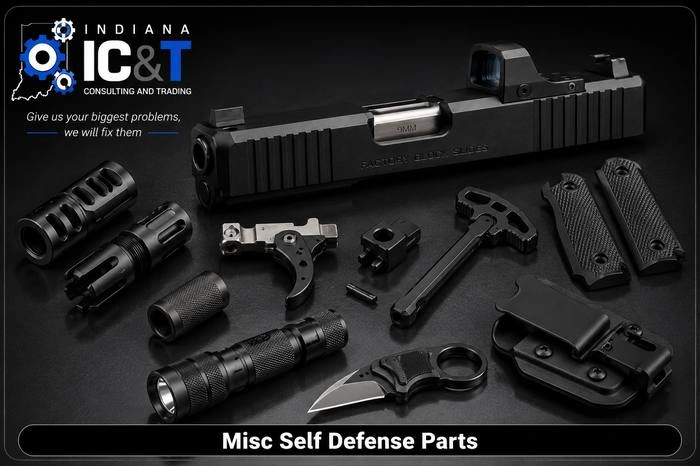
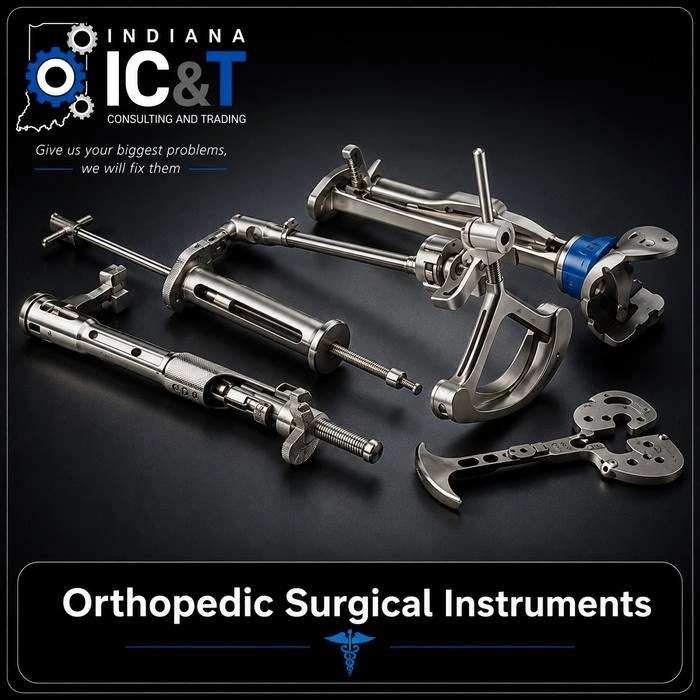
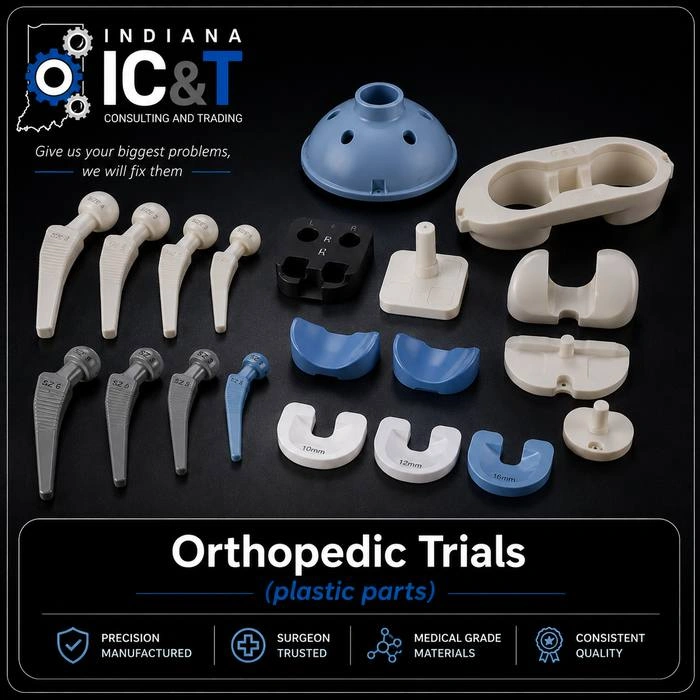
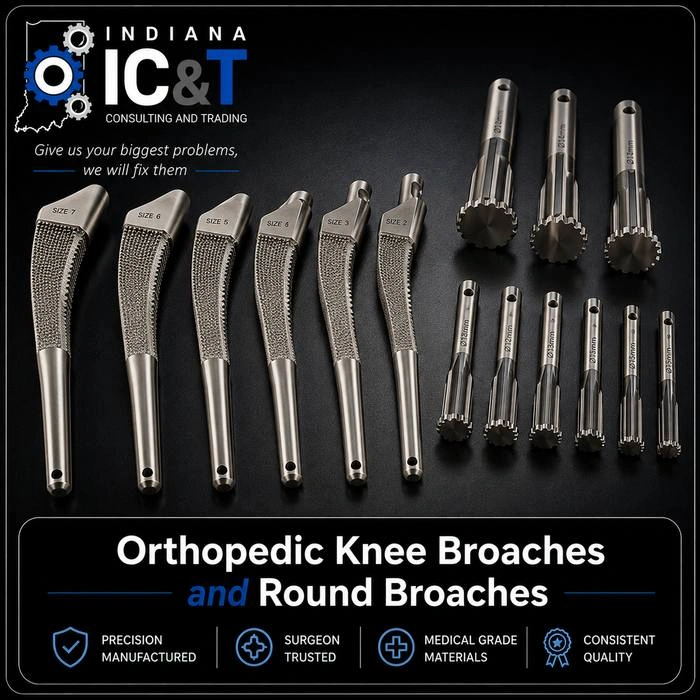
The full part-type library for custom parts manufacturing India from IC&T Manufacturing’s capabilities, including India Forgings, gathered in one place for quick reference. Every part type listed is APQP/PPAP capable and quality-managed by the same team across 32 countries.

Indiana Consulting and Trade
Give us your biggest problems, we will fix them