
10 Reasons Your Global Sourcing Program Isn’t Working (And How a Supply Chain Consulting Firm Fixes It)
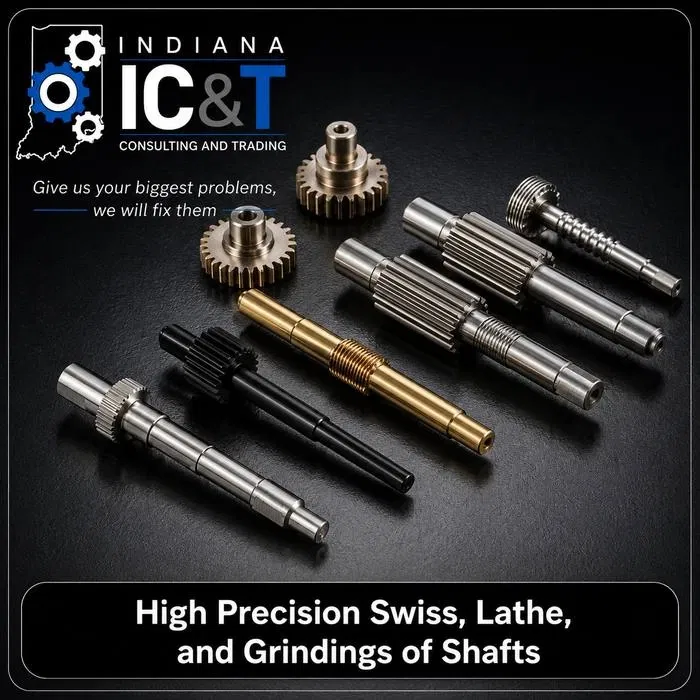
Most global sourcing programs do not fail because international manufacturing is inherently unreliable. They fail because the program was designed around a spreadsheet instead of the actual operating system required to manage suppliers, quality, logistics, risk, and change. A low unit price is not a sourcing strategy. A supplier directory is not qualification. A purchase […]
7 Mistakes You’re Making with Your Fastener VMI Program (and How to Fix Them)
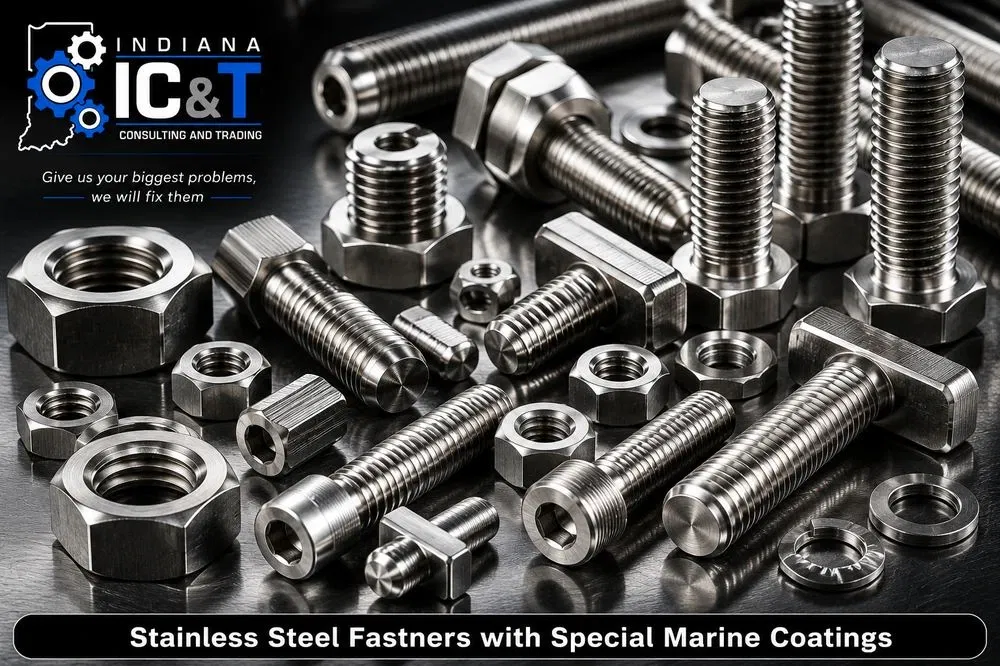
Vendor-managed inventory is not a magic label you apply to a bin of bolts and call “lean.” That check-the-box mentality is how manufacturers end up with empty bins, duplicate part numbers, undocumented substitutions, excess stock, and expedited freight at the worst possible time. A fastener VMI program is a controlled replenishment system tied directly to […]
Custom Plastic Injection Molding vs. Metal Casting: Which Process Actually Cuts Your Total Landed Cost?
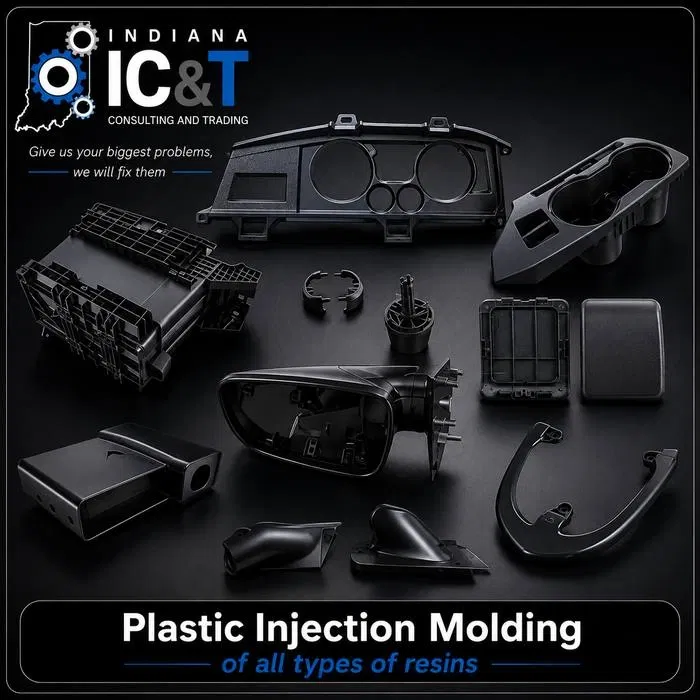
The cheapest piece price is not the cheapest part. That mistake still drives too many sourcing decisions. A buyer compares a plastic molding quote against a metal casting quote, selects the lower number on the first page, and calls it savings. Then the program absorbs tooling overruns, freight, scrap, machining, tariff exposure, inventory carrying cost, […]
Do You Really Need a Turnkey Contract Manufacturer? Here’s the Truth About Multi-Process Components
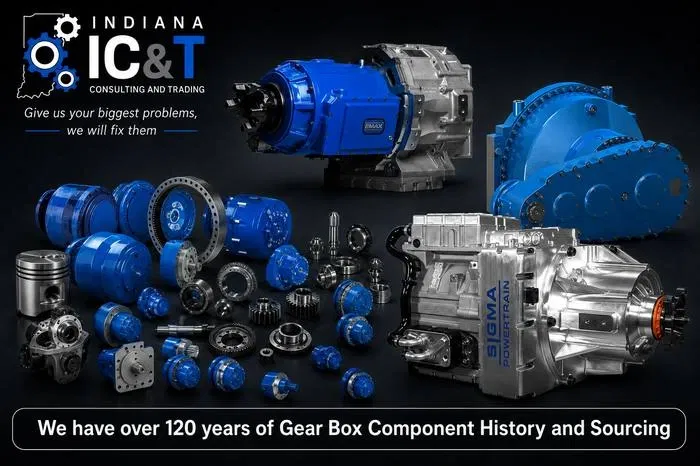
“Turnkey” is not a magic word. It does not automatically mean lower cost, better quality, or fewer problems. It means one partner is responsible for coordinating multiple manufacturing activities: from material procurement and casting or machining through finishing, assembly, inspection, and delivery. That concentration of responsibility can be a major advantage. It can also concentrate […]
Precision CNC Machining vs. Precision Metal Stamping: How to Pick the Right Process When Tolerances Get Tight
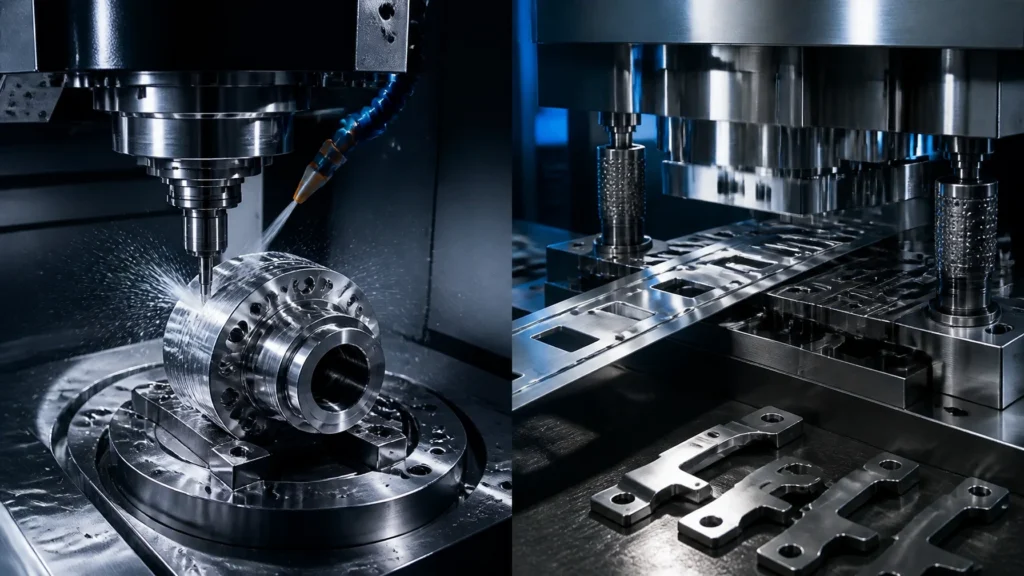
“Precision” is not a manufacturing process. It is a requirement: and a requirement without context is how companies end up paying for the wrong process. A buyer sees a tight tolerance on a drawing and immediately assumes CNC machining is the answer. Another sees a high annual volume and assumes stamping will automatically win. Both […]
Why Engineering-Driven Sourcing Beats Brokerage Every Time
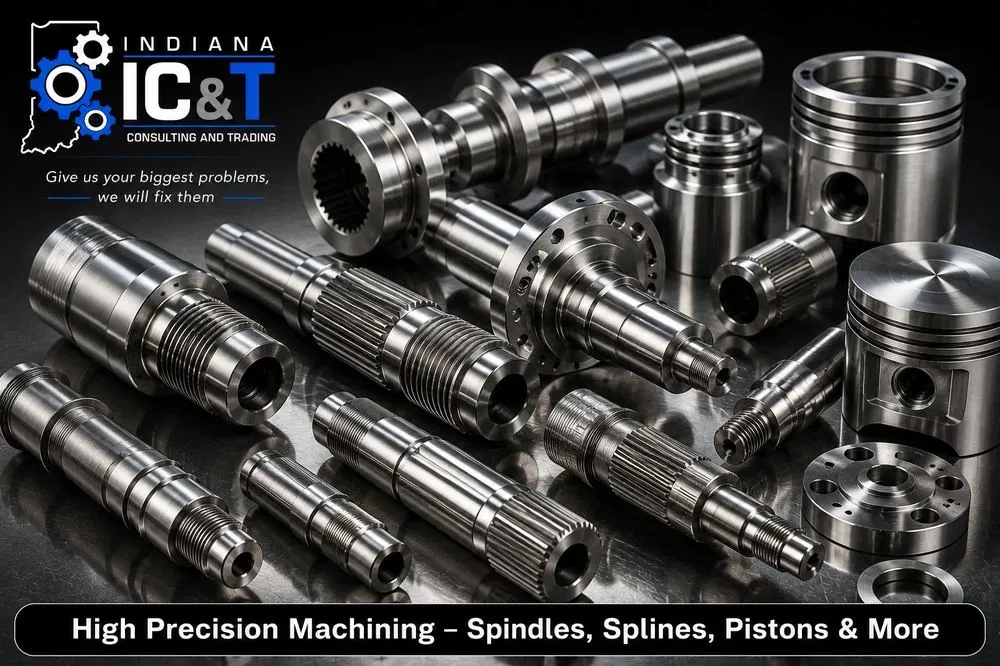
The lowest quote is not a sourcing strategy. It is a starting number. Yet many OEM and Tier 1 procurement teams still treat international sourcing like a directory search: send a drawing to an intermediary, collect three prices, choose the cheapest offer, and assume the factory will somehow solve the engineering, quality, and logistics details […]
Medical Device Manufacturing: Why Orthopedic Trials Require Specialized Plastic and Metal Sourcing
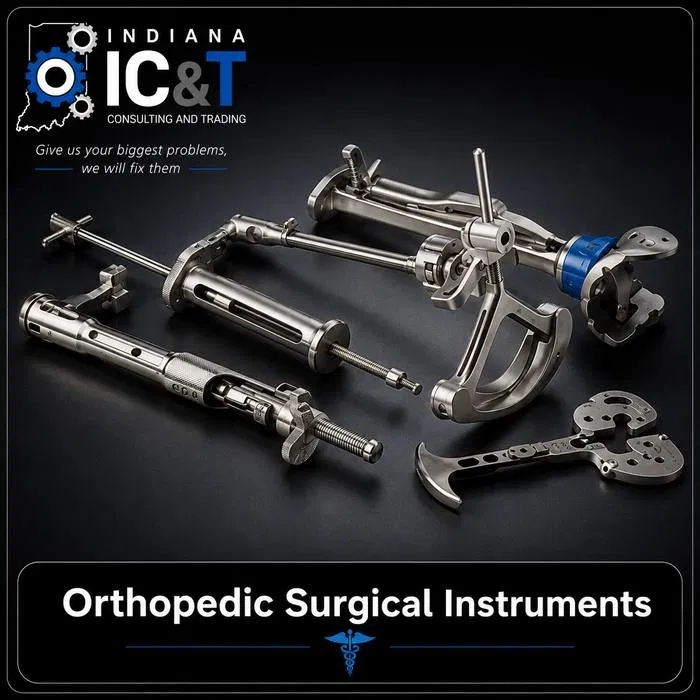
“Medical-grade” is not a purchasing checkbox. It is a chain of material controls, process controls, documentation, and traceability that must survive technical review, regulatory scrutiny, and actual clinical use. That distinction matters most in orthopedic trials. Whether the component is a reusable surgical instrument, a plastic trial stem, a trial insert, a broach, or a […]
How to Transition Your OEM Fastener Spend to VMI Without Production Downtime
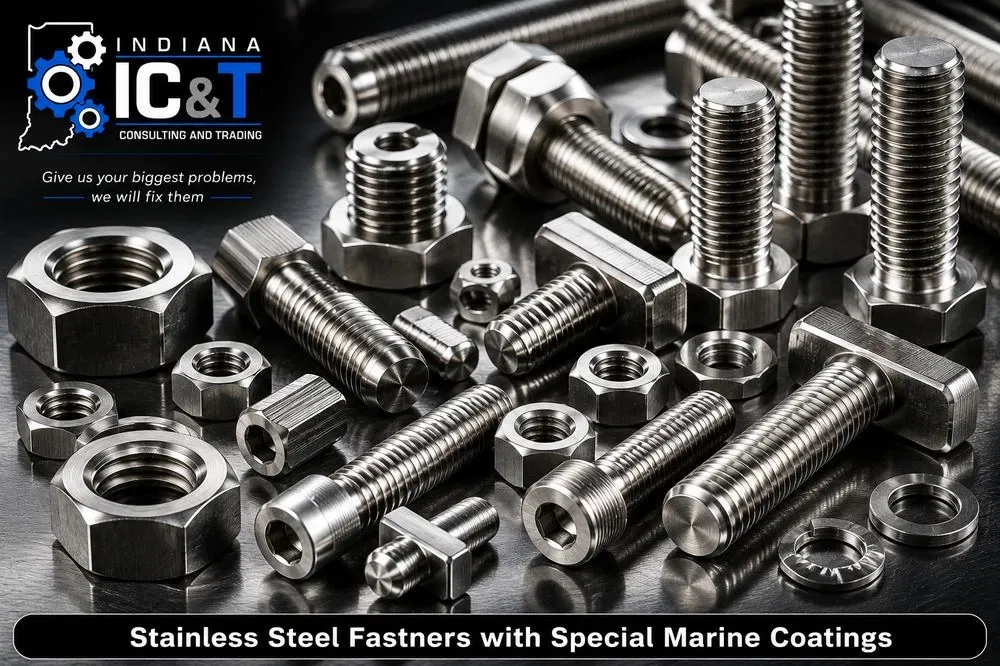
Most OEMs do not have a fastener problem. They have a control problem. The bolts, nuts, washers, and specialty hardware are inexpensive individually, so procurement teams often manage them with disconnected purchase orders, multiple local suppliers, manual cycle counts, and emergency expedites. That approach appears cheap until a missing fastener stops an assembly line, forces […]
Understanding AGMA Tolerance Classes for Industrial Gear Sourcing
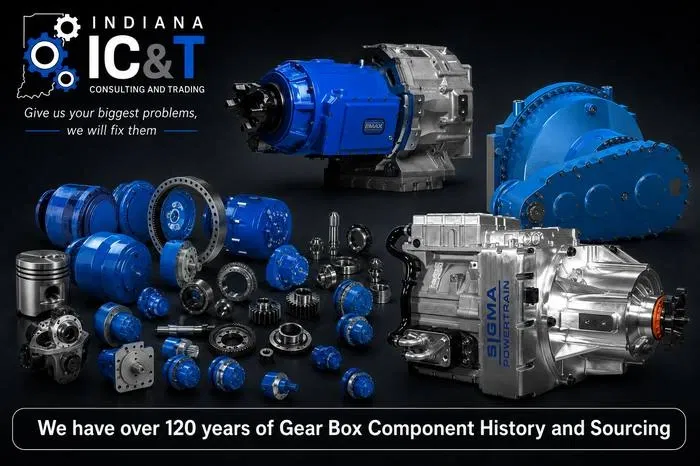
“AGMA quality” on a supplier quote is not a complete specification. It is often a warning that the specification is incomplete. Procurement teams still receive quotes marked “AGMA Q10,” “precision gear,” or “commercial quality” without a clear standard, inspection method, or application requirement. Then the parts arrive, the gearbox runs hot or noisy, and everyone […]
Sourcing Complex Automotive Seat Track Systems: What Procurement Teams Miss
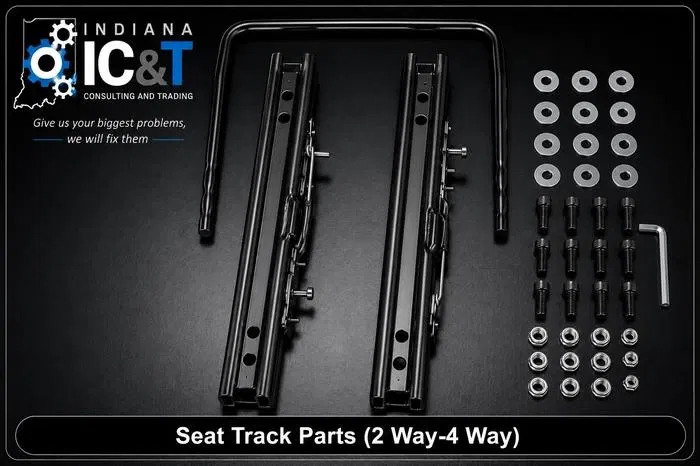
A seat track is not “just stamped steel and hardware.” That assumption has cost more automotive programs than most procurement teams will admit. A seat track system combines structural rails, locking features, release mechanisms, fasteners, coatings, welds, sensors, lubrication, and: in powered applications: motors, gears, and electrical interfaces. Every interface introduces another opportunity for dimensional […]