
Why Toyota Production System (TPS) Principles Matter in Global Contract Manufacturing
Many manufacturers claim to run “lean.” Most mean they have a few visual boards, a 5S audit, and a spreadsheet tracking supplier performance. That is not the Toyota Production System. It is lean theater. TPS is not a collection of slogans or a one-time cost-reduction project. It is an operating discipline built around two hard […]
The Hidden Costs of Managing Multiple Single-Source Component Suppliers
The lowest quoted unit price is not your cost. It is only the number printed on the quotation. Manufacturers that manage every component through a different single-source supplier often believe they are reducing risk. Each part has a designated vendor. Each vendor has been approved. Each purchase order appears controlled. That is a check-the-box mentality. […]
Precision Machining Standards for Self-Defense and Firearm Components
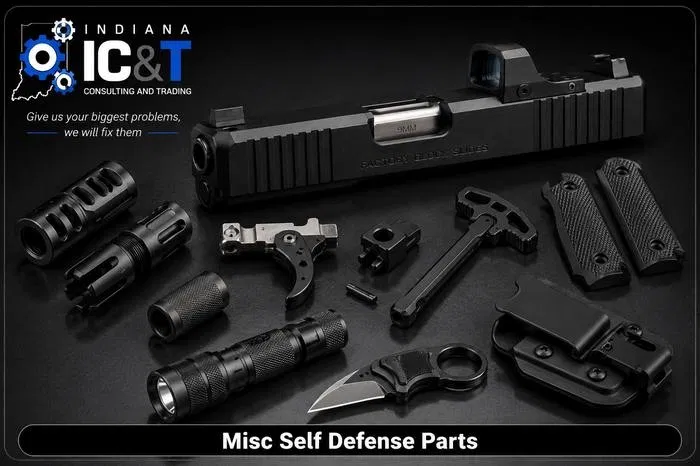
A clean part is not necessarily a safe part. A supplier can deliver components that look flawless, pass a casual visual inspection, and still create failures at assembly, function testing, or end use. That is the check-the-box mentality that causes expensive problems in self-defense and firearm manufacturing. Quality is not a polished surface or a […]
How to Audit a Metal Casting Supplier Before Signing an OEM Contract
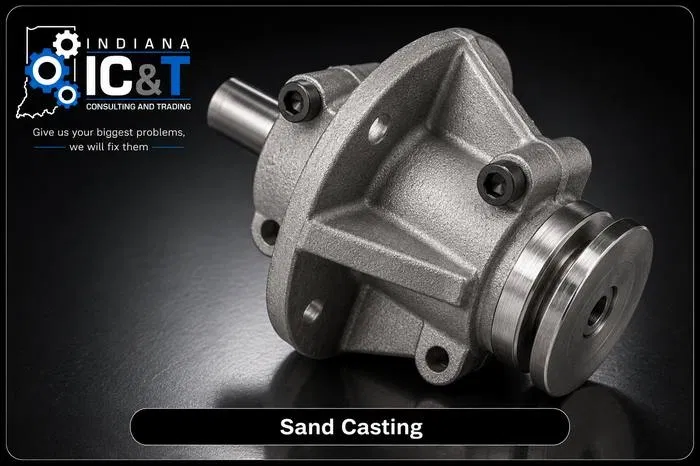
A polished factory tour is not a supplier audit. Neither is an ISO certificate framed in a reception area. Those things can be useful. They are not proof that a metal casting supplier can produce your parts consistently, trace defects to their source, or recover when the process goes off control. An OEM contract can […]
Navigating Global Metal Pricing Indexes: Steel, Aluminum, and OEM Sourcing
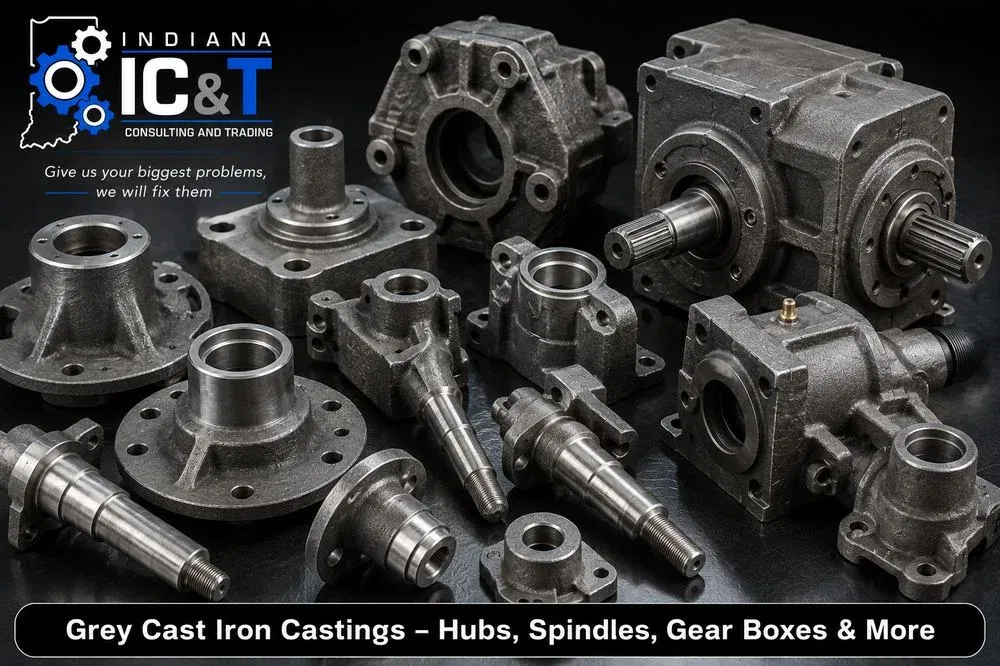
Metal pricing indexes are not a substitute for sourcing discipline. They are tools. Used correctly, they make contract pricing more transparent and expose supplier claims that do not match market reality. Used lazily, they become another check-the-box document that hides freight, conversion cost, tariffs, scrap exposure, and margin expansion. That distinction matters because an OEM […]
Sourcing Precision Assemblies: From Single Parts to Complete Turnkey Production
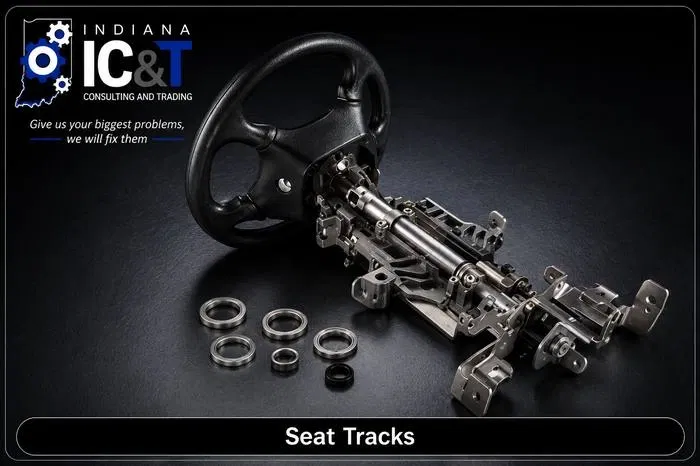
Most sourcing programs fail long before a defective assembly reaches the customer. They fail when procurement treats a precision assembly as a collection of unrelated part numbers. That approach looks efficient on a spreadsheet. One supplier machines the shaft. Another produces the housing. A third handles fasteners. Someone else performs finishing and final assembly. Each […]
Swiss CNC Turning vs. Traditional Lathes: When Precision Is Non-Negotiable
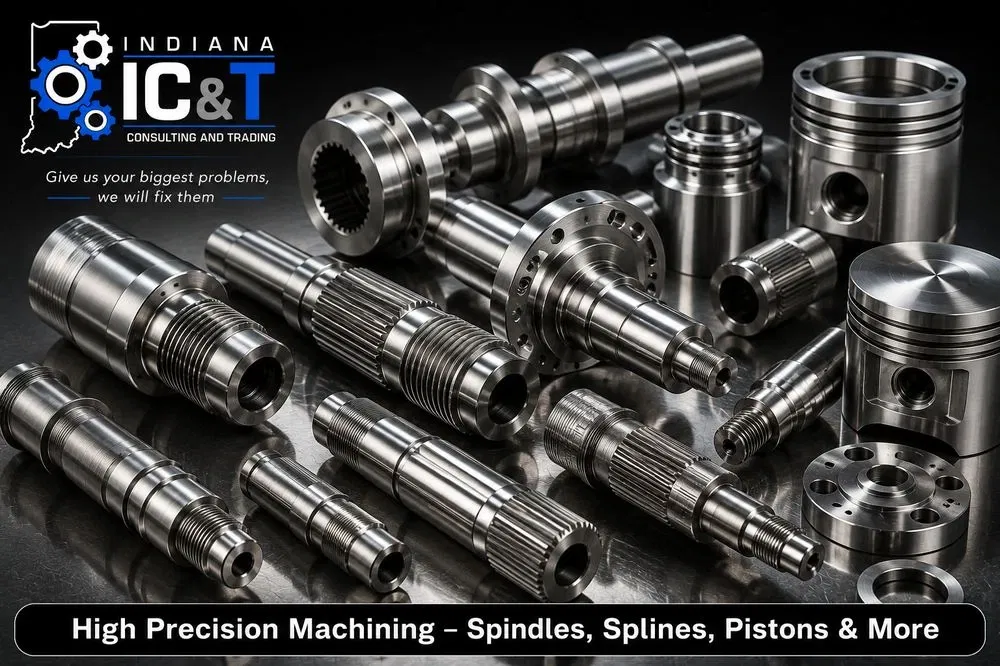
A low quote does not make the wrong machine suitable for the job. That is the mistake behind many failed turning programs. Procurement sees a part that is round, sends the print to several machine shops, and assumes any lathe capable of removing metal can produce the required result. That assumption survives until a slender […]
How to Eliminate Quality Escape Risks in Offshore Manufacturing Programs
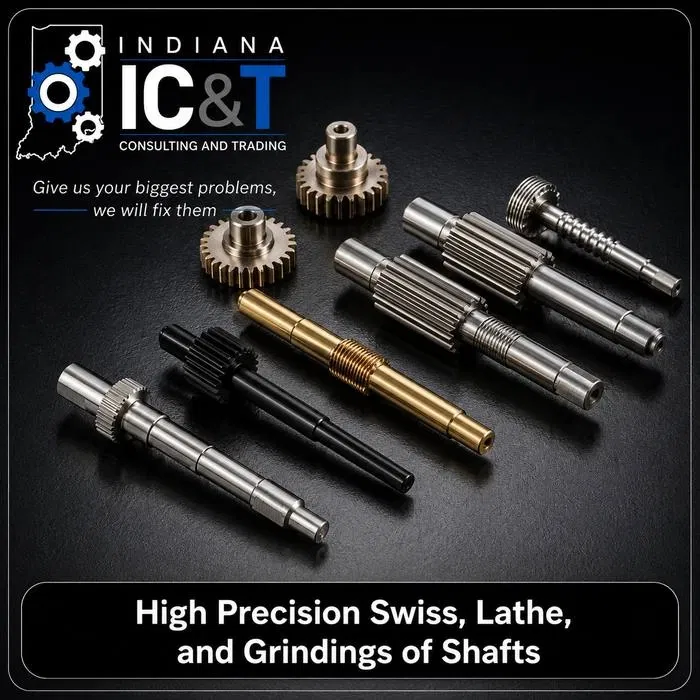
A supplier’s Certificate of Conformance does not protect your production line. A quality escape is what happens when a defective part passes through the supplier’s controls, crosses an ocean, reaches your facility, and fails where the cost of discovery is highest. That cost is not limited to scrap. It can include line stoppages, emergency freight, […]
Investment Casting Design Guidelines for Complex OEM Geometries
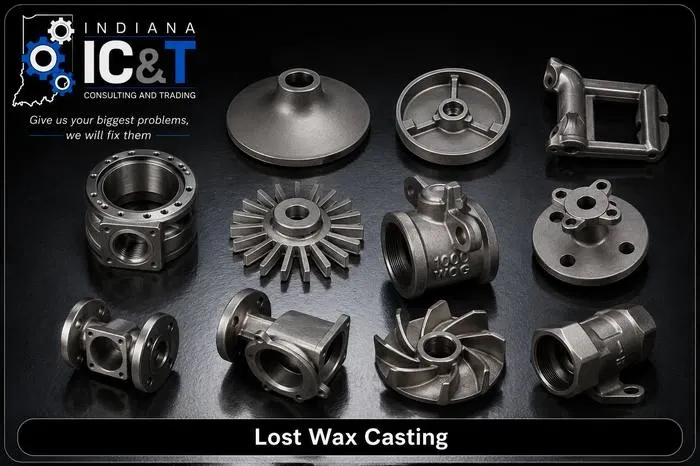
Investment casting is not a loophole around sound engineering. It is a disciplined way to produce difficult geometries: provided the part is designed for molten metal flow, ceramic shell strength, solidification, inspection, and downstream machining. The shops that treat investment casting as a simple “pour metal into a wax shape” exercise are the same shops […]
Custom Fastener Engineering: Standard Grades vs. Custom Alloy Specifications
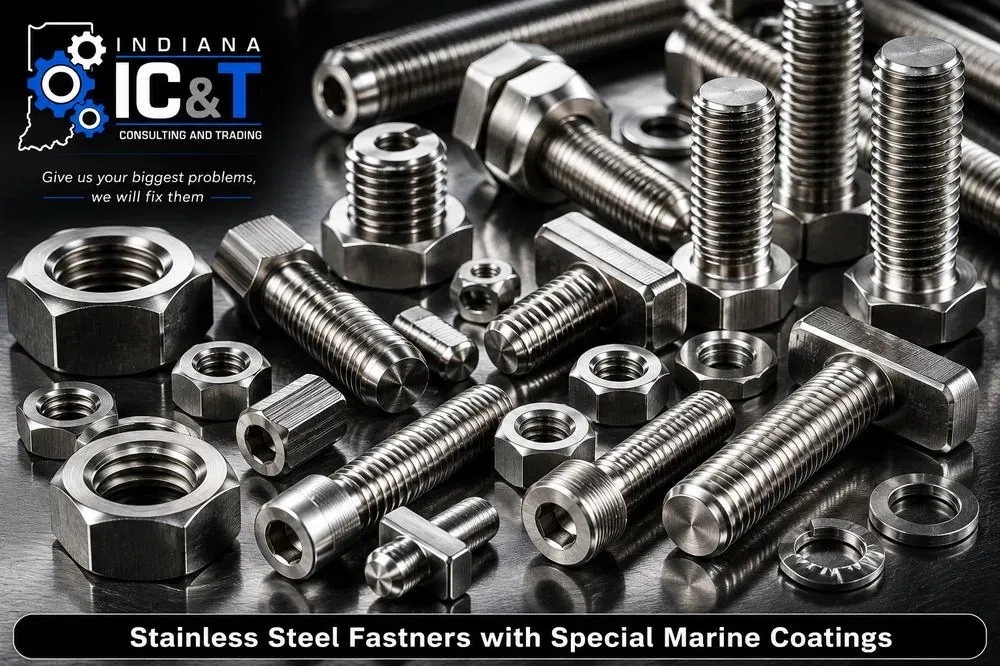
“Use stainless steel” is not a fastener specification. Neither is “Grade 8,” “316,” or “high strength.” Those labels are starting points. They do not, by themselves, define whether a fastener will survive clamp load, cyclic vibration, saltwater exposure, elevated temperature, galvanic contact, repeated assembly, or the actual failure consequences of your product. The shops that […]