
Maximizing Efficiency in Tier 2 Automotive Manufacturing Component Procurement
Tier 2 automotive suppliers do not lose money because they lack procurement software. They lose money because the procurement system is fragmented, reactive, and disconnected from engineering, quality, production, and logistics. A low unit price does not create an efficient supply chain. It creates an efficient supply chain only when the part arrives on time, […]
Quality Assurance Protocols: Why Dimensional Verification Prevents Line Shutdowns
A supplier’s certificate of conformance is not proof that your assembly line is protected. It is only a statement. If nobody verifies the dimensions behind that statement, your production schedule is carrying the risk. Too many engineering and procurement teams treat dimensional verification as paperwork completed after the real work is finished. That approach fails […]
How to Transition Your Component Sourcing from Broker to White-Glove Consultant
Most companies do not have a sourcing strategy. They have a collection of broker relationships, emergency emails, and supplier promises that have never been tested under pressure. That arrangement can survive when volumes are low and specifications are simple. It breaks down when you need repeatable quality, traceability, capacity planning, dimensional verification, and reliable delivery […]
Navigating Global Trade Risks: Tariff Strategies for Heavy OEM Equipment
Tariffs are not a line-item nuisance that Finance can clean up after Procurement signs the purchase order. That assumption is expensive: and heavy OEM equipment exposes it faster than almost any other product category. A gearbox housing, hydraulic assembly, cast frame, control module, or replacement drivetrain may cross several borders before it reaches the customer. […]
The Ultimate Guide to Sourcing Engineered Plastics and Custom Resin Moldings

Most companies approach engineered plastics as if material selection were a catalog exercise: choose a familiar resin, send a CAD file to three molders, compare piece prices, and award the work to the lowest bidder. That process is convenient. It is also how companies end up with warped housings, brittle clips, inconsistent color, short tool […]
The Importance of Material Traceability in Medical Orthopedic Instrument Sourcing
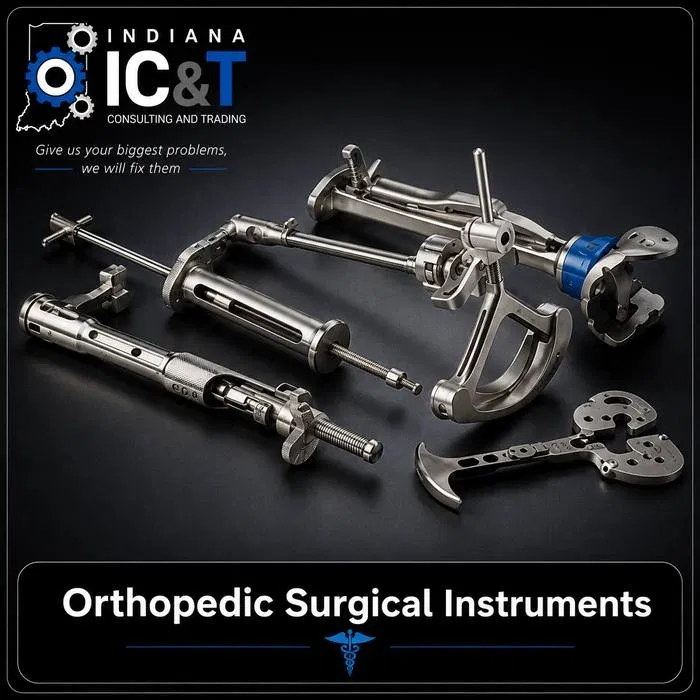
“Material traceability” is not a certificate tucked into a supplier’s email folder. It is the documented chain connecting the raw material melt to the finished orthopedic instrument, the production lot, the inspection record, and: when required: the device identifier used in the field. Treat it as paperwork, and you create a blind spot in the […]
Aluminum vs. Iron Castings: Selecting the Right Alloy for Structural OEM Applications
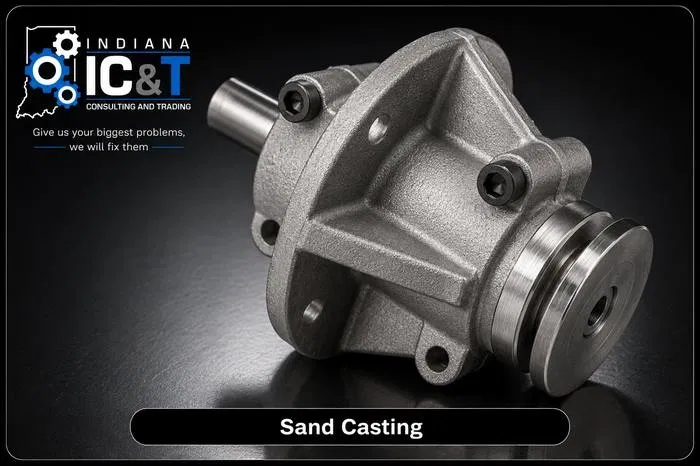
Choosing aluminum because it is lighter, or iron because it is stronger, is not engineering. It is a shortcut. Structural OEM castings fail when teams reduce material selection to a price-per-pound comparison. The real decision involves stiffness, fatigue, vibration, thermal cycling, corrosion, machining, production volume, and the consequences of a field failure. A casting that […]
How to Scale Production Volumes Without Compromising Engineering Quality
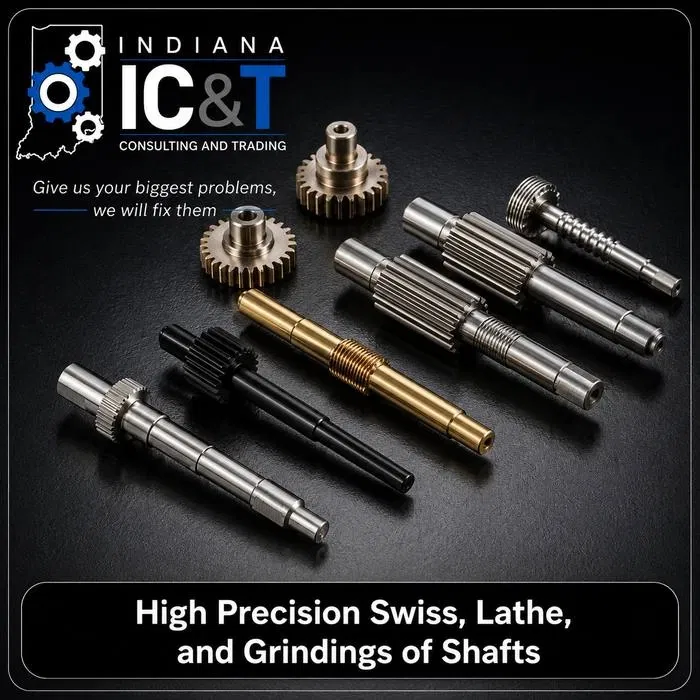
The usual advice on production scaling is incomplete: add machines, add shifts, add suppliers, and push more parts through the system. That approach works until it does not. Then the defects multiply, critical dimensions drift, inspection queues grow, and your engineering team spends its time explaining failures to customers instead of improving the product. Scaling […]
Gearbox Assemblies and Powertrain Sourcing: What OEM Engineers Must Specify
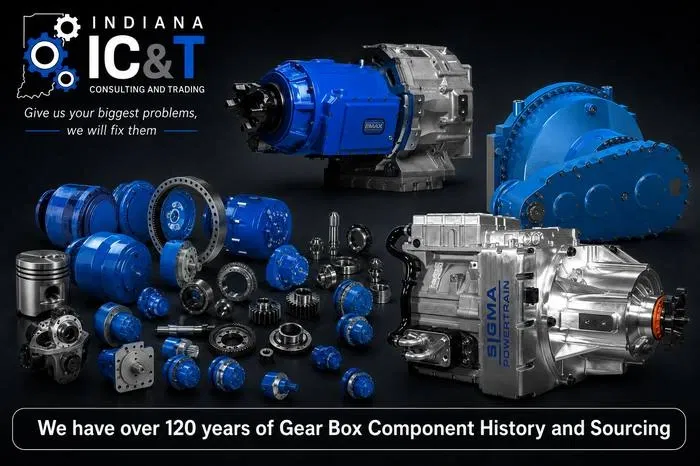
“Find a gearbox supplier” is not a sourcing strategy. It is a way to create an expensive future problem. Gearbox assemblies and powertrain components rarely fail because a supplier could not make one acceptable sample. They fail because the sourcing package left critical requirements undefined, the process was never proven at production rate, or the […]
Optimizing Lead Times Through Regional Sourcing Hubs in Asia

The superficial answer to long lead times is usually, “Find a faster supplier.” That is not a sourcing strategy. It is a reflex. A supplier can machine a part in ten days and still deliver it six weeks late because material was not reserved, inspection was delayed, export documents were wrong, or the shipment missed […]