
Why Investment Castings Are the Gold Standard for High-Pressure Pump and Valve Components
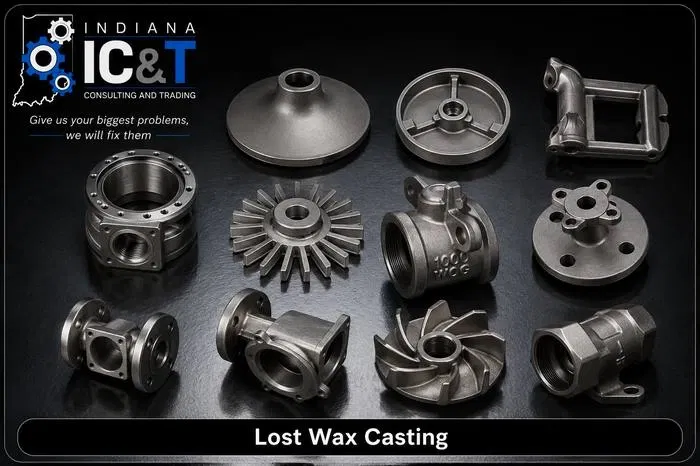
The lazy assumption is that if a casting looks clean and the ports line up, the part is good enough for a pump or valve program. That is how high-pressure failures get purchased. A pump casing or valve body can arrive looking perfectly acceptable and still be wrong where it counts: pressure boundary integrity, wall […]
Investment Casting vs. Sand Casting: How to Choose the Cost-Effective Process for Your Application
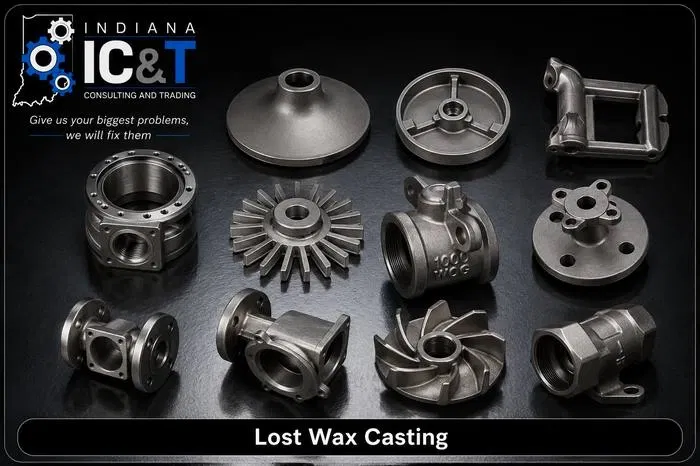
“Investment casting is always too expensive.” “Sand casting is the cheapest option.” Both statements are incomplete. They are the kind of check-the-box assumptions that produce cheap quotes, expensive parts, and avoidable production problems. The real question is not which process has the lower raw casting price. It is which process delivers the lowest total cost […]
Steel Casting Market Growth to $55.6 Billion: What It Means for OEM Sourcing Strategies
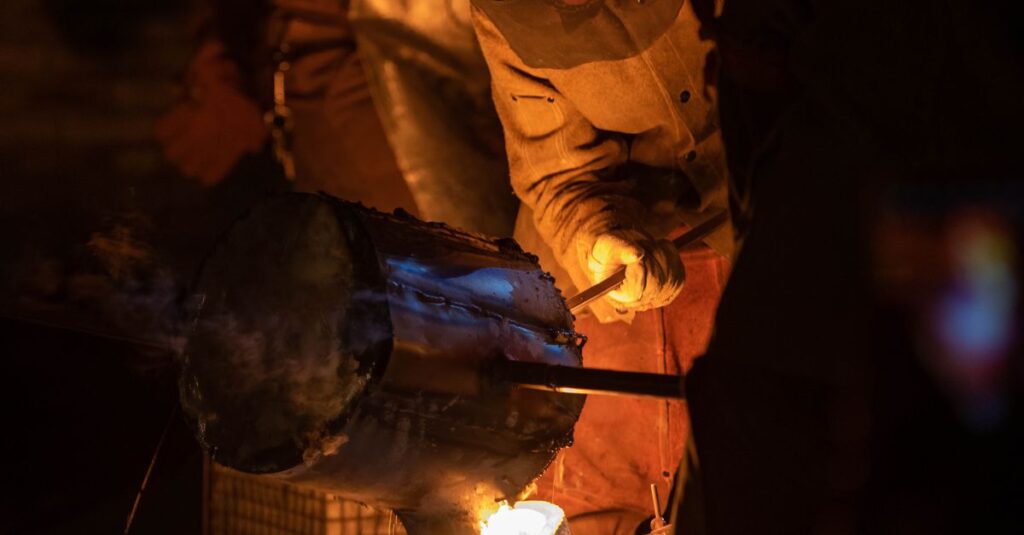
A market forecast is not a sourcing strategy. Most buyers still get steel castings wrong in the same predictable way: they talk about region, price, and lead time before they lock down the metallurgy, process window, and acceptance criteria. That is how bad parts get approved, shipped, machined, assembled, and then blamed on "supplier inconsistency" […]
High-Performance Materials in Investment Casting: A Technical Guide to Superalloys, Duplex Steel, Cobalt-Based Alloys, and Monel
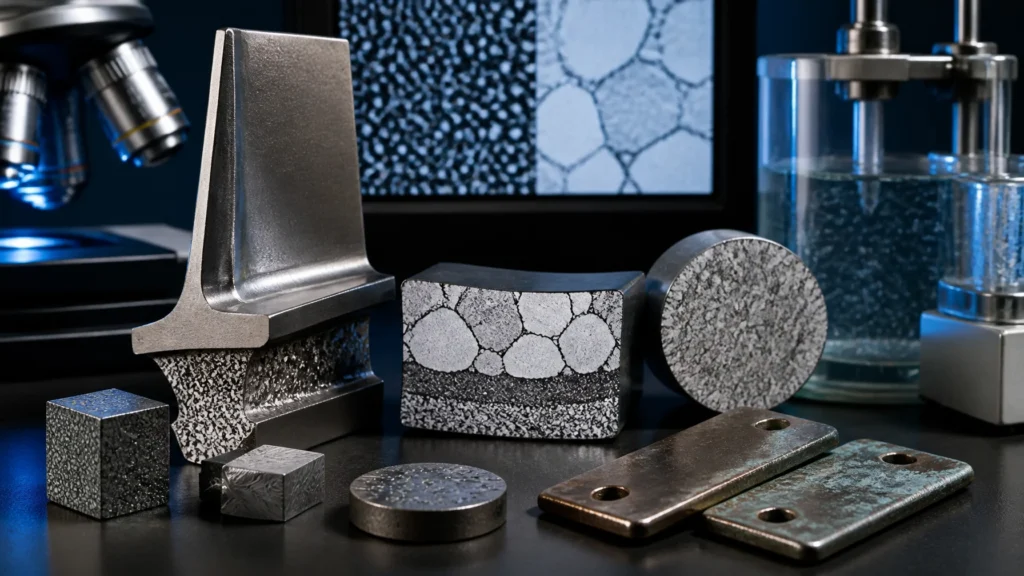
“Use stainless steel” is not a material specification. “Upgrade to a superalloy” is not an engineering decision. And buying a corrosion-resistant alloy name off a chart without understanding microstructure, chemistry limits, and service damage mechanisms is how expensive programs go sideways. High-performance investment castings succeed when alloy chemistry, solidification behavior, microstructure control, heat treatment, machining, […]
Replacing Multi-Piece Weldments with Monolithic Investment Castings: The Engineering Mechanics That Actually Matter
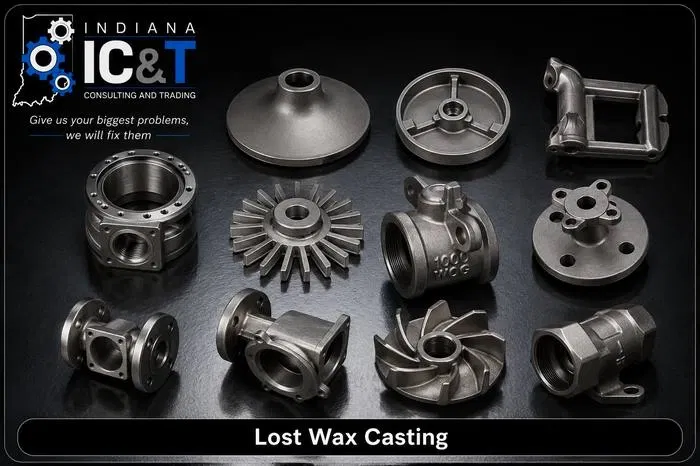
Most weldment-to-casting discussions are still handled like a purchasing exercise. That is lazy thinking. If the conversation starts and ends with piece price, someone is ignoring the actual engineering problem. Multi-piece weldments fail, drift, and cost more over time for reasons that have nothing to do with the line-item price of plate, bar, or weld […]
Nickel Alloy Castings in Oil & Gas: Critical Benefits and High-Stress Applications
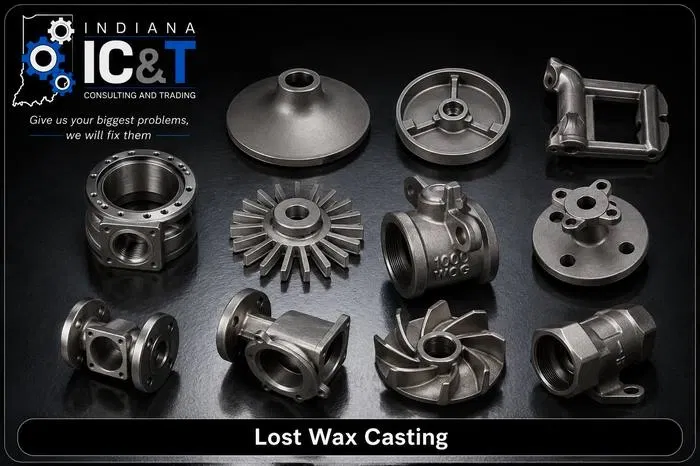
“Corrosion-resistant” is not a material strategy. It is lazy shorthand, and lazy shorthand is how oil and gas teams end up with parts that look acceptable on paper and then pit, crack, soften, or distort in actual service. If you are specifying nickel alloy castings for severe oil and gas duty, you need to get […]
Technical Evaluation Metrics for Casting Foundries: What Serious OEM Buyers Should Actually Review
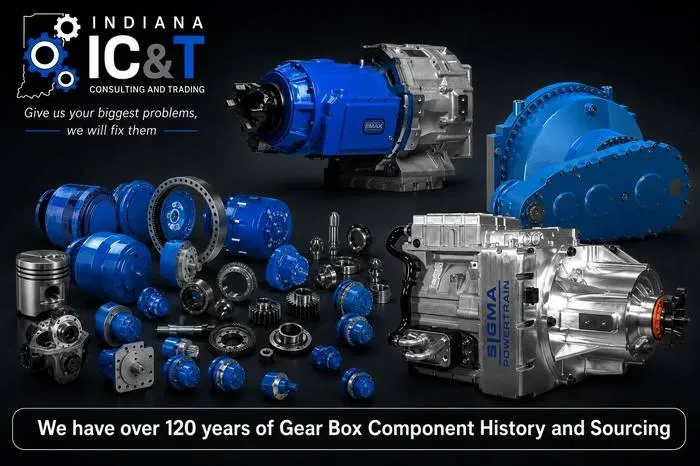
Most foundry evaluations are weak because they focus on the easy paperwork: certifications, price sheets, and polished capability decks. That is check-the-box sourcing, and it is how bad castings get approved. If you want to know whether a foundry can actually support a production program, you need to get into the engineering controls that determine […]
Technical Quality Standards, NDT, and MTR Control in Global Casting Exports
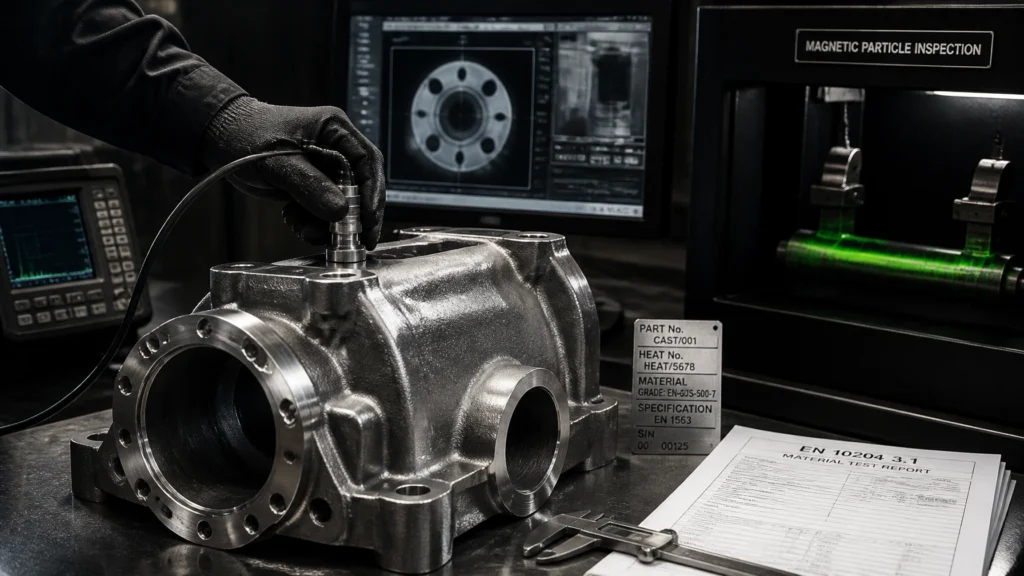
Too many suppliers still hide behind generic “quality certified” language as if that means the part is sound. It does not. If your casting program depends on technical integrity, then the conversation has to move past wall certificates and into acceptance criteria, nondestructive testing discipline, and traceable material records. The shops that treat quality as […]
NORSOK M-650 for Offshore Steel Castings: Qualification, PML Status, Chemistry Control, and Mechanical Testing
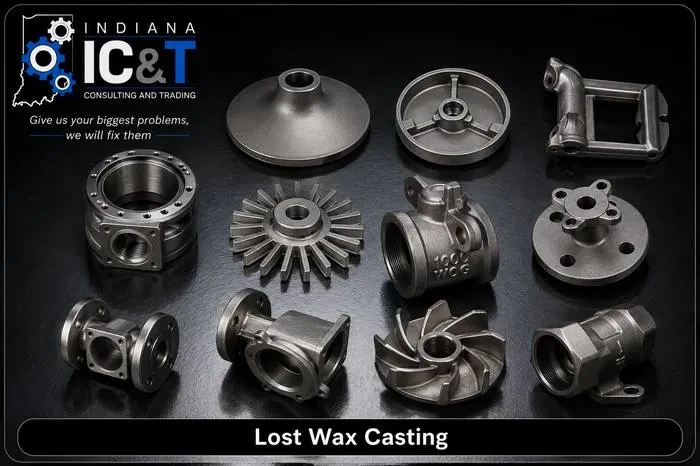
Too many buyers still treat “NORSOK compliant” like a box to check on a purchase order. That is how bad castings get approved, bad assumptions get buried in paperwork, and expensive offshore delays start with a quote that looked acceptable on day one. For offshore steel castings, the real issue is narrower and harder than […]
Why Heavy Engineering Projects Demand Custom Steel Castings Over Standard Solutions
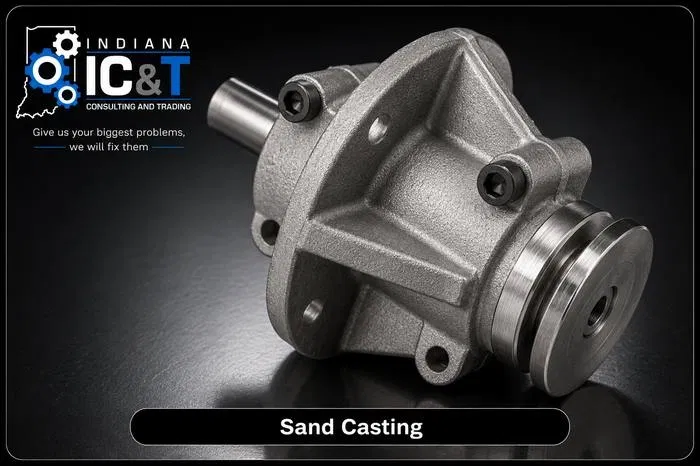
Most sourcing teams get this wrong at the first meeting. They talk about a steel casting as if it is just a cheaper way to make a big metal shape. That is check-the-box thinking, and it is exactly how load-bearing failures, scrap, rework, and warranty exposure get baked into a program before the first pour. […]